Best Wire Cutters: 6 Top Picks for Clean, Safe Cuts

The best wire cutters for most people are the Knipex 74 01 200 — they cut cleanly, feel controlled in the hand, and have the leverage to handle real work without feeling like overkill. I compared popular diagonal cutters, flush cutters, and cutting pliers across home repair, electrical jobs, hobby electronics, and light shop use, focusing on what matters in practice: cut quality, comfort, jaw alignment, and long-term edge retention.
Not every cutter belongs in every toolbox; sometimes a compact multi-tool covers enough tasks to skip a full-size pair. A flush cutter that excels on component leads can chip on harder wire, while a heavy diagonal cutter can feel clumsy at a workbench. Below are the best wire cutters by use case, with honest trade-offs so you can buy the right pair the first time.
Our Top Picks
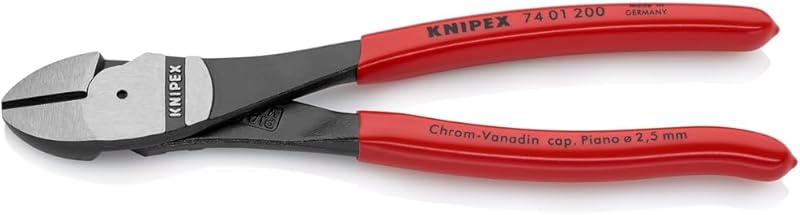
Knipex 74 01 200 High Leverage Diagonal Cutters — Best overall wire cutters
$38–$52 — check price on Amazon
Downsides: They cost more than entry-level diagonal cutters, and the firm action can feel excessive if you mostly trim thin hobby wire.
Anyone who wants one dependable pair of wire cutters for home, garage, and regular electrical tasks.
If you are buying one pair of wire cutters to cover the most ground, this is the one. The Knipex 74 01 200 delivers the leverage, edge geometry, and build quality that make cheaper cutters feel vague by comparison. The jaws close with precise alignment, producing a clean cut instead of a crushed end on common copper and aluminum wire.
It strikes the right balance between pro-grade toughness and everyday usability. For household repairs, speaker wire, zip ties, and standard electrical work, it feels strong without being bulky. Knipex has a long-standing reputation with electricians and trade reviewers — this pick has more credibility than off-brand lookalikes at similar prices.
- Why I like it: Excellent leverage, clean cuts, durable forged construction, and a controlled feel during repeated use.
- Who should skip it: Hobbyists who mostly cut tiny leads and want a smaller flush cutter for bench work.
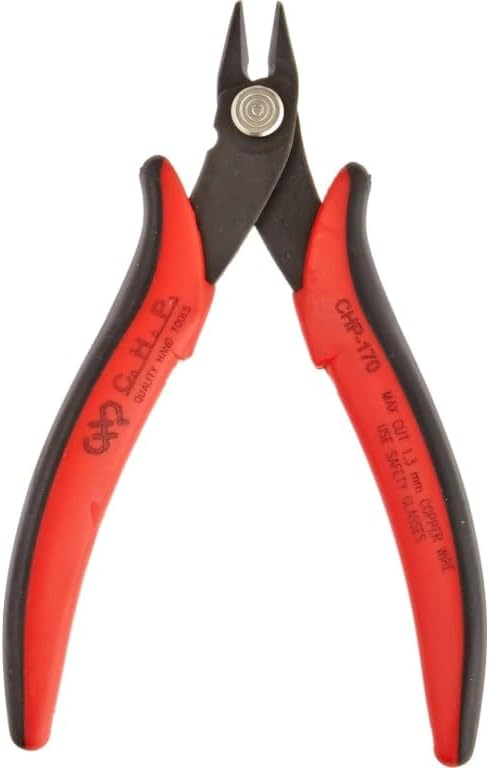
Hakko CHP-170 Micro Cutter — Best wire cutters for electronics and small wire
$6–$11 — check price on Amazon
Downsides: Designed for soft, small-gauge material only — misuse on steel or thick cable will wear the edge out fast.
DIY electronics, 3D printing cleanup, component leads, and precision bench work where a full-size cutter is too bulky.
The Hakko CHP-170 is the pair to reach for when standard wire cutters feel too blunt and too large. It is a classic flush cutter built for small-gauge copper wire, soft leads, and detail work where visibility matters as much as cutting force. The compact head makes it easier to work close to PCBs, connectors, and printed parts.
This is one of the easiest recommendations in its category — inexpensive, widely trusted by makers, and precise enough to justify keeping it dedicated to bench work. Treat it as a precision cutting tool, not a do-everything pair, and it delivers excellent control for the money.
- Why I like it: Precise flush cuts, low cost, light weight, and easy one-handed control at the workbench.
- Who should skip it: Anyone who needs heavy-duty wire cutters for household electrical work or tougher materials.
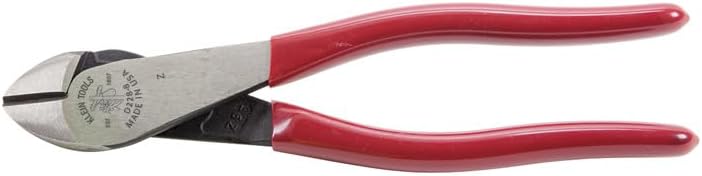
Klein Tools D228-8 Diagonal Cutting Pliers — Best wire cutters for electricians
$28–$40 — check price on Amazon
Downsides: The thicker head is less nimble in tight bench work, and the grip prioritizes jobsite durability over finesse.
Electricians, frequent DIYers, and anyone who cuts wire often enough to justify a tougher, trade-grade tool.
Klein makes some of the most recognizable cutting pliers in the electrical trade, and this model earns its place by feeling built for daily use. These wire cutters are heavier and more work-focused than the Knipex, with a planted feel that many electricians prefer when cutting common building wire and handling repeated jobs on a jobsite.
The appeal is less about refinement and more about trust. If your tool lives in a belt pouch, gets used every day, and needs to feel predictable every time, the D228-8 makes sense. It is a practical pick for people who value rugged durability and a familiar trade-tool feel over precision finesse.
- Why I like it: Rugged construction, strong leverage, proven brand reputation, and dependable cutting performance on building wire.
- Who should skip it: Casual users who want a lighter, cheaper pair for occasional household tasks.
IGAN-170 Precision Flush Cutters — Best budget wire cutters
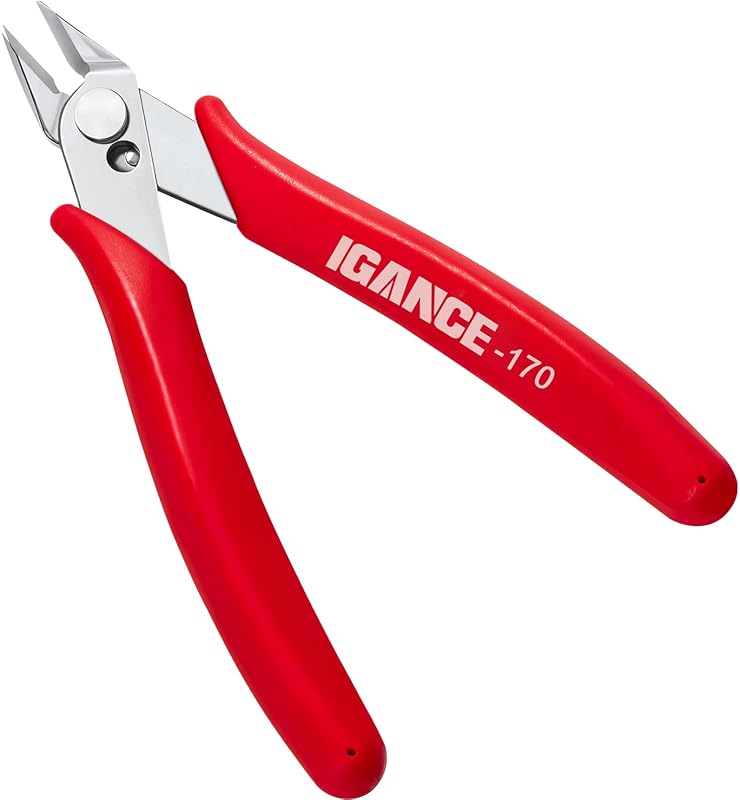
$7–$13 — check price on Amazon
Downsides: Edge retention and quality control are less consistent than with Hakko or Knipex, so longevity varies.
Budget shoppers who need affordable wire cutters for light-duty jobs and occasional hobby use.
If price is the main filter, these are the budget wire cutters worth considering before a random no-name pair. They perform well enough for soft wire, plastic ties, and light trimming tasks, and the flush-cut blade style is useful when you want a neater finish on component leads or craft projects.
You are trading away some long-term durability, but that is expected at this price. For a craft drawer, small toolkit, or backup bench tool, they are a sensible low-cost option that beats using scissors or a dull multi-tool for the same jobs.
- Why I like it: Very affordable, compact, easy to control, and practical for light bench work and hobby use.
- Who should skip it: Users who expect daily use, harder materials, or premium edge longevity.
Fujiya 770-200 Diagonal Cutting Nippers — Best premium wire cutters
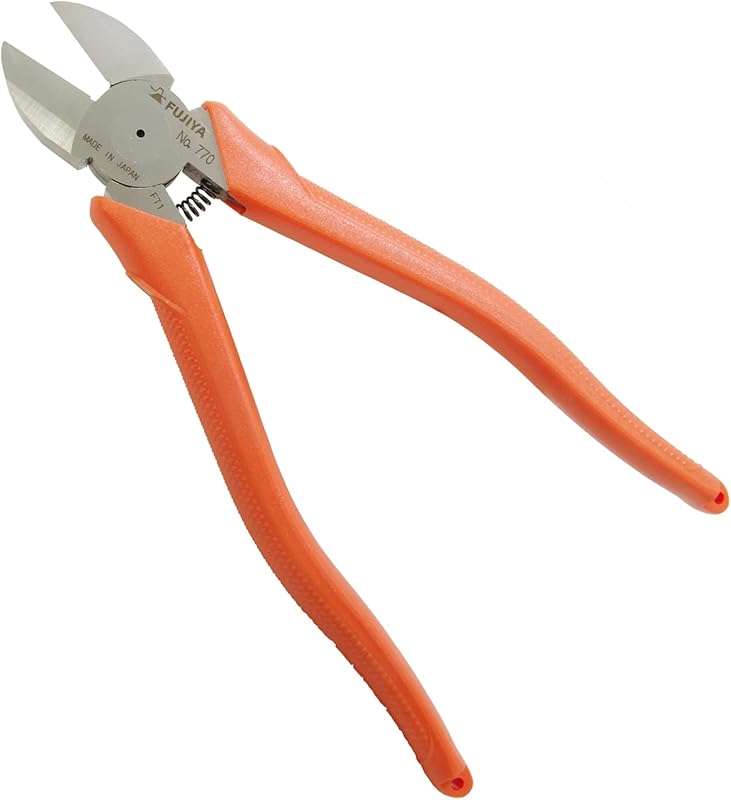
$30–$45 — check price on Amazon
Downsides: Availability can be inconsistent, and the premium price is hard to justify for basic or infrequent household use.
Buyers who want refined cutting action and better fit and finish than a standard pair of diagonal cutters offers.
Fujiya is a strong pick if you care about how a hand tool feels, not just whether it works. These wire cutters have a smooth action and a sharp, precise bite that stands out on repeated cuts. On softer wire and lighter cable, they feel cleaner and more deliberate than cheaper diagonal cutters that crush before they slice.
This is not the best value choice for everyone, but it is a compelling premium option for buyers who appreciate better finishing and a more polished cutting experience. If you spend enough time with hand tools to notice those details, the difference is real and worth paying for.
- Why I like it: Smooth action, sharp edges, strong overall finish, and precise repeat cuts on soft to medium wire.
- Who should skip it: Anyone who just needs basic wire cutters for occasional home repairs or light tasks.
WORKPRO 6-inch Diagonal Pliers — Best wire cutters for basic home toolkits

$10–$16 — check price on Amazon
Downsides: Not as sharp, durable, or clean-cutting as the premium wire cutters on this list — edge quality reflects the price.
Households that want a simple, inexpensive pair for packaging, speaker wire, zip ties, and quick fixes.
For many buyers, the right wire cutters are the pair that handles common jobs without costing much. That is exactly where this WORKPRO model fits. It is suitable for light wire, zip ties, soft materials, and the kind of quick household task that does not justify spending Knipex money.
It is not the pick for demanding or frequent work, but as an entry-level diagonal cutter it makes sense. If you are building a first toolbox or need a spare pair for odd jobs around the house, this is a reasonable and practical place to start.
- Why I like it: Inexpensive, easy to find, good enough for light home use, and simple to keep in a general toolkit.
- Who should skip it: Tradespeople or hobbyists who care about edge retention and cleaner precision cuts.
If you only buy one pair, get the Knipex 74 01 200. It is the most complete option here and the easiest recommendation for most readers. If your work is more specialized, choose the model that matches your use case and you will notice the difference every time you make a cut. ByteBlip also covers other practical tool and home gear picks if you are building a smarter, more capable kit, including a guide to label makers for organizing tools.
Byteblip
New Products, Gift Guides, The Best Deals