
Best Rollator 2026: 6 Top Picks for Daily Mobility

The best rollator walker for most people is the Drive Medical Nitro — it handles mixed indoor and outdoor surfaces better than any other rollator at its price, folds cleanly, and feels stable rather than wobbly from the first use. For this guide, I evaluated six rollators across the details that actually shape daily life: wheel size, brake feel, seat comfort, folding speed, storage capacity, and how each rolling walker performs on hallways, parking lots, and cracked sidewalks. For general fall-prevention advice, see the CDC's fall prevention guidance from the CDC.
If your needs are more specific — a tighter budget, a smaller apartment, lighter lifting, rougher terrain, or a higher weight capacity — the five runners-up below each solve a real problem. Every pick is matched to a use case so you can skip straight to the right rollator for your situation.
Our Top Picks
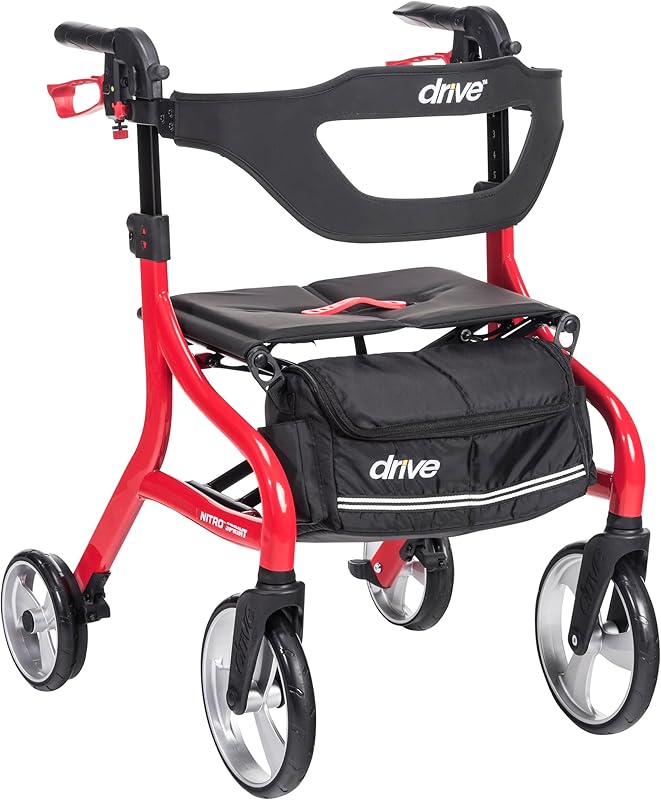
Drive Medical Nitro - Best Overall Rollator
$230–$300 - check price on Amazon
Downsides: It costs more than entry-level options, and the frame can feel bulky in very tight apartments.
Most people who want one rollator that works well both indoors and outside on mixed surfaces.
The Nitro is the rollator to start with. Its larger front wheels track better over sidewalk cracks and door thresholds, and the aluminum frame feels steadier than bargain models that wobble the moment you leave smooth floors. That composure matters more than any flashy extra.
It also nails the basics. The seat is roomy enough for real rest breaks, the backrest is genuinely supportive rather than decorative, and the one-hand folding mechanism works without wrestling the frame. If you need a daily-use rollator rather than an occasional-errand backup, this is the safest default pick in 2026.
- Why I like it: Stable handling, reliable loop brakes, smooth one-hand fold, and larger wheels that perform on mixed surfaces.
- Who should skip it: Anyone who needs the lightest possible rollator for frequent lifting into a car trunk.
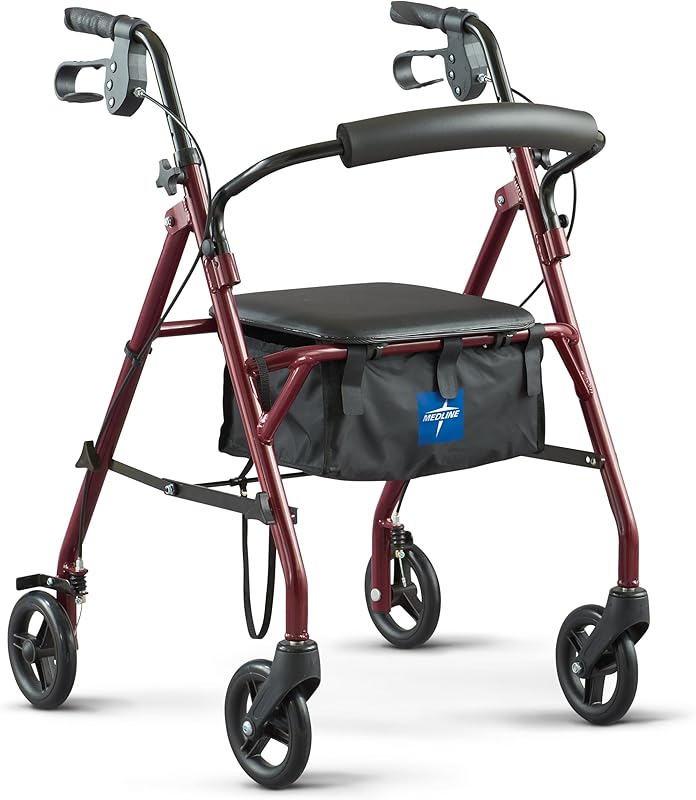
Medline Steel Rollator Walker - Best Budget Rollator
$75–$120 - check price on Amazon
Downsides: Smaller wheels and a heavier steel frame make it noticeably less comfortable on rough or uneven pavement.
Shoppers who want a low-cost rollator for indoor use and short trips on smooth ground.
If price is the main filter, this Medline rollator walker covers the essentials without feeling flimsy. You get a padded seat, under-seat storage pouch, loop brakes, and a familiar layout that is easy to understand right out of the box. For home use, clinic visits, and shorter errands on flat surfaces, that is often enough.
The tradeoff is predictable. A steel-frame rollator weighs more than aluminum alternatives, and smaller wheels transmit more bumps through the handles. But if you want a dependable, no-frills mobility aid and rarely venture onto rough pavement, this model delivers strong value.
- Why I like it: Excellent price-to-feature ratio, simple controls, padded seat, and straightforward setup.
- Who should skip it: Users who walk outside often or need a lighter rollator for frequent car transport.
Hugo Elite Rollator Walker - Best Lightweight Rollator

$110–$170 - check price on Amazon
Downsides: The seat is narrower than some rivals, and taller users may want a wider handle height adjustment range.
People who want a lighter rollator that is easier to steer, easier to lift, and friendlier for car travel.
The Hugo Elite hits a useful middle ground. It is lighter and easier to maneuver than most steel rollators, but it still feels like a full-featured seated rollator rather than a stripped-down compromise. That balance makes it a practical choice for errands, medical appointments, and regular car travel.
Its biggest strength is low steering effort. In kitchens, apartment hallways, elevators, and store aisles, that responsiveness can matter more than a marginal spec difference. If you want a travel-friendly rollator without jumping to a premium price tier, this is a smart pick.
- Why I like it: Lower weight, easy steering, decent under-seat storage, and user-friendly assembly.
- Who should skip it: Anyone who wants the most cushioned seat or the most planted feel on rough outdoor ground.
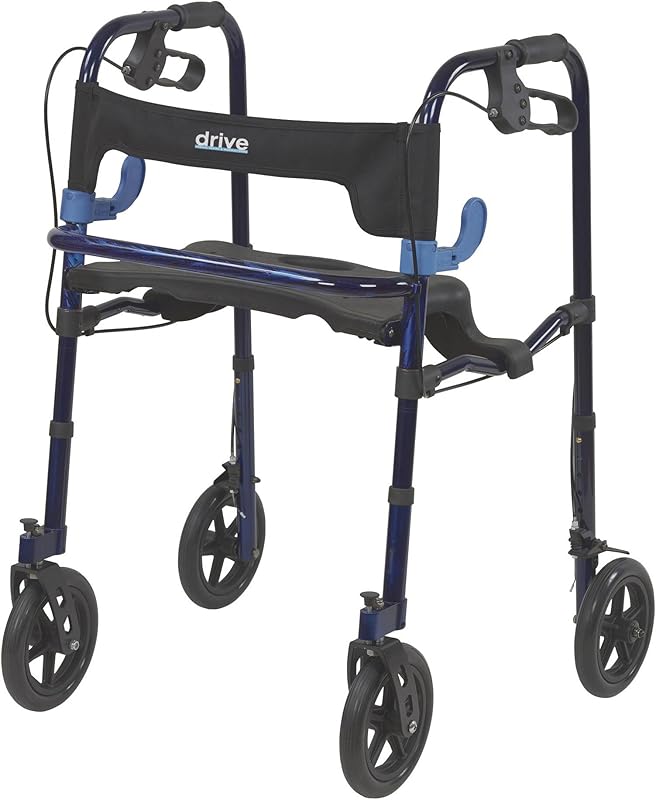
Drive Medical Clever Lite LS - Best Compact Rollator for Small Spaces
$130–$180 - check price on Amazon
Downsides: Less confident outdoors on uneven surfaces, and the smaller frame means reduced seat width and storage space.
Apartment dwellers and primarily indoor users navigating tight rooms, narrow doorways, and small bathrooms.
Full-size rollators can be genuinely frustrating in smaller homes. The Clever Lite LS makes more sense if your daily route includes sharp turns around furniture, narrow bathroom doors, or cramped kitchen spaces. A compact rollator is easier to live with because you are not constantly correcting the frame around obstacles.
You do give up some outdoor comfort, especially on broken pavement. But for mostly indoor rollator use, the smaller footprint is the entire point. If a standard rolling walker feels oversized for your space, this pick solves a real, daily problem.
- Why I like it: Compact footprint, easier indoor handling, and practical folding dimensions for smaller homes.
- Who should skip it: Users who spend significant time outdoors or want a larger seat and basket area.
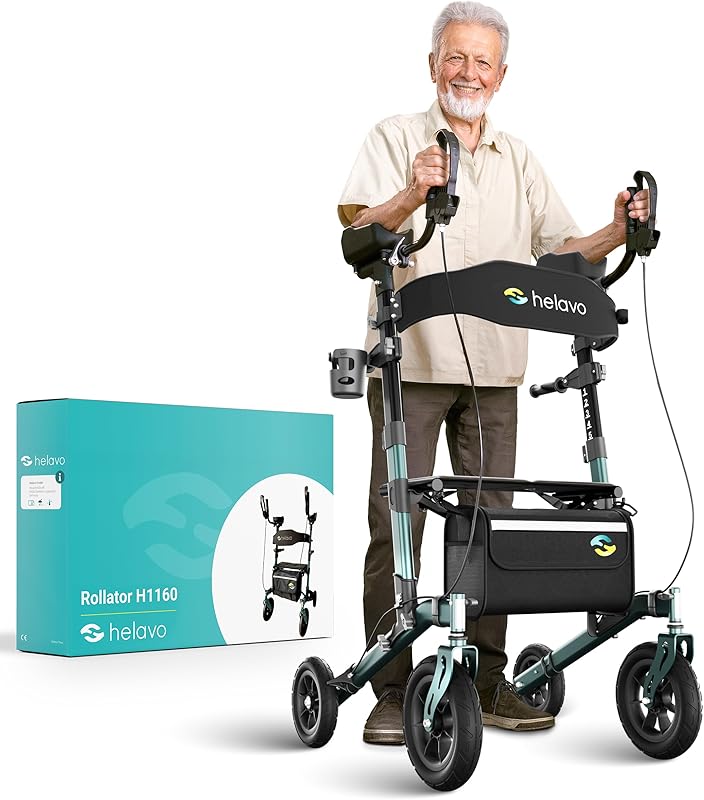
Helavo All Terrain Rollator Walker - Best Rollator for Outdoor Use
$240–$330 - check price on Amazon
Downsides: Heavier and larger than standard models, so storage and lifting into a car take noticeably more effort.
People who walk outside regularly and need a rollator that handles cracked sidewalks, brick paths, and uneven terrain.
If your normal route includes cracked sidewalks, driveway lips, brick paths, or park trails, an outdoor rollator with larger wheels is worth the extra cost. The Helavo uses a sturdier frame and wider wheels to stay calmer on uneven surfaces. It is still a walker, not an off-road vehicle, but it is far better suited to real-world outdoor use than basic indoor-first models.
This pick is about confidence on rough ground, not comfort extras. A rollator that catches on every pavement seam gets exhausting fast. If most of your walking happens outside, the extra bulk is a fair trade for better tracking and fewer jolts through the handles.
- Why I like it: Superior outdoor stability, larger all-terrain wheels, and more confidence on uneven ground.
- Who should skip it: Anyone who mainly uses a rollator indoors or needs a compact frame for easy storage.
Medline Bariatric Rollator - Best Heavy-Duty Rollator

$180–$260 - check price on Amazon
Downsides: The wider frame can be awkward in narrow hallways, small bathrooms, and tight restaurant aisles.
Users who need a higher-capacity rollator with a wider seat, reinforced frame, and a more secure feel.
A heavy-duty rollator should feel stable above everything else. This Medline bariatric model is built around that goal, with a wider padded seat, reinforced frame, and a larger overall footprint designed to support higher weight capacities. If a standard rollator feels cramped or underbuilt, moving to a purpose-made bariatric option is the right call.
The wider design is both the benefit and the compromise. It gives larger users more room and a more secure feel during walking and seated rest, but it can be harder to navigate in tight indoor spaces. If capacity, seat width, and frame strength are the priority, this is the right design for the job.
- Why I like it: Higher weight capacity, wider seat, sturdy reinforced construction, and a more secure feel for larger users.
- Who should skip it: Anyone living in a very small home or needing a narrow rollator for tight turns.
If you want one safe place to start, the Drive Medical Nitro remains the most balanced rollator available in 2026. If your needs are more specific, match the model to your home layout, your walking surfaces, and how often you need to lift or store it. If you are comparing other mobility aids or practical home products next, there is plenty more to explore from here.
Byteblip
New Products, Gift Guides, The Best Deals


