
Best Sowmachine for Home Sewing in 2026

If you searched for the best sowmachine, you almost certainly want a sewing machine that is easy to live with — not a bargain-bin pick that jams, skips stitches, and ends up in a closet. I compared the models most home sewists keep running into, focused on proven brands, and narrowed this list to the machines that make sense for real use: learning, mending, quilting, and handling thicker fabric without a fight. Every pick here comes from a brand with a track record, and every recommendation is based on what the machine actually does well, not just what the box claims.
The best sowmachine for most people is the Brother CS7000X. It is easy to learn, useful past the beginner stage, and priced where it still feels practical. If you need more power for denim or canvas, the Singer Heavy Duty 4423 is the stronger fit. Read on for the full breakdown by use case.
Our Top Picks
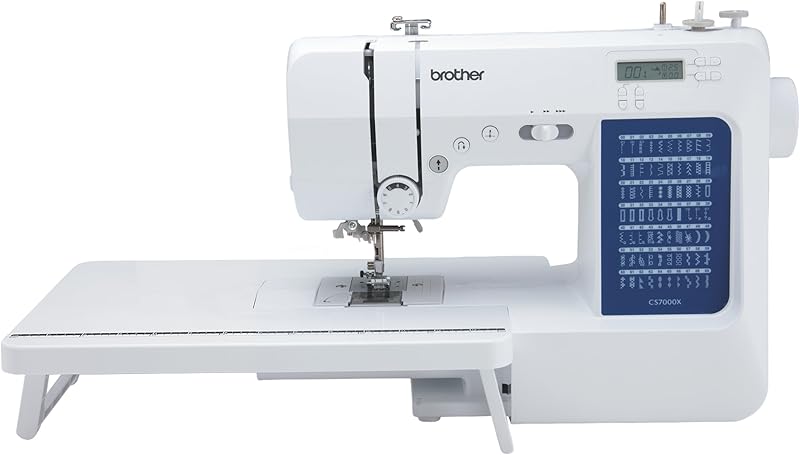
Brother CS7000X — Best Overall Sowmachine
$220–$280 — check price on Amazon
Downsides: It is fairly light, so it is not the best choice for constant heavy-fabric work or buyers who want a tank-like all-metal machine.
Most people who want one sowmachine for learning, repairs, clothes, and general home sewing.
The Brother CS7000X is the easiest pick to recommend because it gets the fundamentals right and adds features that make sewing less frustrating. You get 70 built-in stitches, an automatic needle threader, a drop-in bobbin, adjustable speed control, and a wide extension table. For most home users, those features matter more than chasing the highest stitch count on a spec sheet.
It also strikes the right balance between beginner-friendly and future-proof. New sewists get clear controls and a forgiving setup. More experienced users still get enough range for garment work, simple quilting, and regular mending. If you want one computerized sewing machine that covers the most use cases with the fewest compromises, this is it.
- Why I like it: Strong value, genuinely helpful convenience features, and enough flexibility to grow with as your skills improve.
- Who should skip it: People sewing thick denim stacks, canvas, or upholstery fabric on a regular basis.
Singer Heavy Duty 4423 — Best Sowmachine for Thick Fabric

$200–$260 — check price on Amazon
Downsides: It is less forgiving for first-time users, and heavy-duty branding does not mean it will breeze through every multilayer project without the right needle and thread.
Shoppers who need a sowmachine built for denim, canvas, bags, and repair-heavy household sewing.
The Singer Heavy Duty 4423 keeps earning attention because it is fast, direct, and built around practical sewing power. It uses mechanical controls, runs a stronger motor than most light beginner models, and feels more at home on utility jobs than decorative hobby work. The 1,100 stitches per minute top speed is one of the highest in this price range.
This is the better pick if your machine will spend more time shortening jeans, fixing seams, or working through tough fabric than making craft projects. It is still an all-purpose household machine — not an industrial one — but it makes far more sense than a lightweight computerized model when durability and punching power matter most.
- Why I like it: Fast sewing speed, simple mechanical controls, and real confidence on thicker materials.
- Who should skip it: Beginners who want the calmest learning curve and push-button stitch selection.
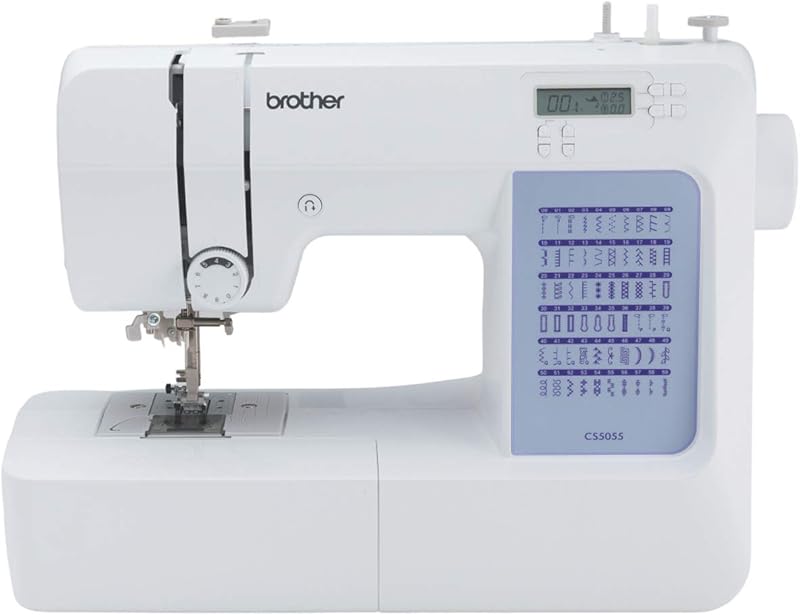
Brother XM2701 — Best Budget Sowmachine
$110–$150 — check price on Amazon
Downsides: Its lighter build is great for storage and portability, but it can feel less steady on larger or thicker projects.
Beginners who want a low-cost sowmachine for mending, simple clothes projects, and building basic skills.
The Brother XM2701 is the budget model I would trust before most no-name alternatives. It gives you the core features that matter: 27 built-in stitches, an automatic needle threader, and a free arm for cuffs and sleeves. That covers routine repairs, straight stitching, zigzag, and basic buttonholes without pushing you into a higher price tier.
Cheap sewing machines often fail in the same ways: unclear threading paths, uneven tension, and controls that feel flimsy after a few uses. The XM2701 is still an entry-level machine, but it avoids most of those pain points. If you want a starter sowmachine that feels usable instead of disposable, this is the budget pick.
- Why I like it: Affordable, approachable, and better sorted than most ultra-cheap machines in this price range.
- Who should skip it: Anyone planning frequent quilting or regular heavy-fabric work.
Janome 2212 — Best Mechanical Sowmachine for Beginners

$180–$240 — check price on Amazon
Downsides: It lacks the speed sliders, push-button controls, and broader stitch options that make computerized models easier for some users.
People who want a simple, dependable sowmachine with dial-based controls and no tech overhead.
The Janome 2212 is the machine for buyers who want sewing basics, not menus. It has 12 built-in stitches, a straightforward dial layout, and the kind of mechanical operation many sewing teachers still prefer for new students. There is less to fiddle with, which makes the learning process feel calmer and more intuitive.
Janome has a strong reputation in home sewing, and the 2212 reflects that. If you like the idea of learning tension, stitch length, and fabric handling on a machine that feels direct and predictable, this is one of the smartest beginner choices in the $200 range.
- Why I like it: Clear dial controls, solid brand reputation, and a no-fuss feature set that does not overwhelm new sewists.
- Who should skip it: Shoppers who want more stitch variety or modern convenience features like automatic threading.
Brother XR9550 — Best Sowmachine for Hobby Sewing

$230–$320 — check price on Amazon
Downsides: Many buyers will never use most of its decorative stitches, so part of what you are paying for may sit idle.
Home sewists who want room to experiment with garments, crafts, and decorative stitch work.
The Brother XR9550 is the better fit when you already know sewing is going to stick. It offers 165 built-in stitches, an LCD display, adjustable speed control, and several included presser feet. That makes it genuinely useful for hobbyists who move between repairs, garment tweaks, and more creative projects throughout the week.
It is not the strongest model here for thick material, but that is not its lane. This machine is about convenience and range. If you want a computerized sewing machine with more options than a starter model but without moving into premium pricing, it is a sensible step up from the CS7000X.
- Why I like it: Broad feature set, easy stitch selection via LCD, and good range for growing skills.
- Who should skip it: Buyers who prefer a simpler machine with fewer choices, or who sew mostly heavy fabric.
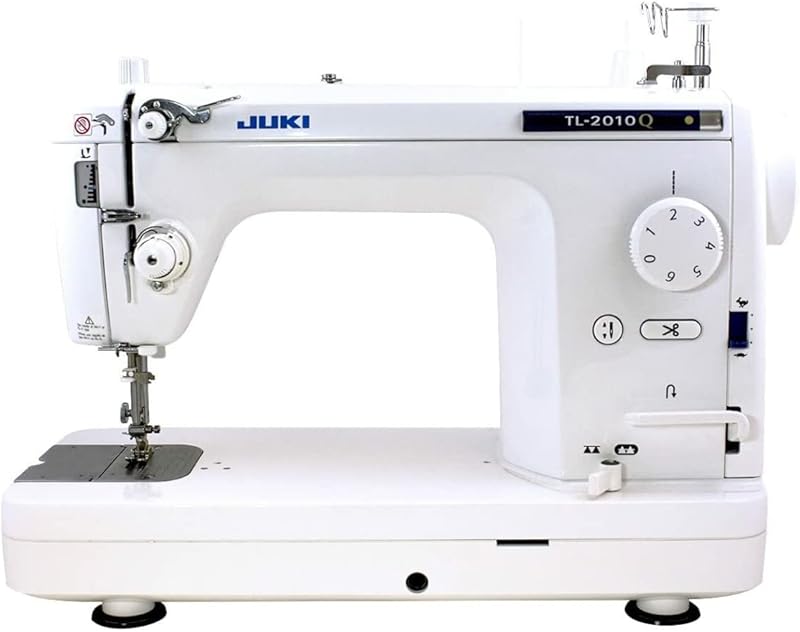
Juki TL-2000Qi — Best Premium Sowmachine for Quilting
$700–$1,000 — check price on Amazon
Downsides: It is expensive, heavy, and specialized enough that many casual home users will be paying for more machine than they actually need.
Dedicated sewists and quilters who prioritize stitch quality, speed, and a large work area over decorative extras.
The Juki TL-2000Qi is the premium pick for people who sew a lot and know exactly why they want a specialist machine. It is a straight-stitch-only model, which sounds narrow until you see what that focus delivers: better stitch consistency, higher sewing speed, and a larger work surface that is especially valuable for quilting and long seams.
This is not the right first sowmachine for most people. But if you want a serious tool for quilts, garments, and repeat projects where stitch quality matters more than dozens of built-in patterns, the Juki makes a compelling case for spending up.
- Why I like it: Excellent straight-stitch quality, premium build feel, and strong performance on demanding, high-volume work.
- Who should skip it: Beginners, occasional menders, and anyone who needs a wide variety of stitch types.
If you want the safest recommendation, start with the Brother CS7000X. It is the sowmachine I would point most people to first because it handles the broadest mix of projects without getting complicated or overpriced. Once you have your machine sorted, it is worth looking into the right cutting tools, presser feet, a good ironing board, and storage solutions like packing cubes to build out a complete home sewing setup.
Byteblip
New Products, Gift Guides, The Best Deals


