
GE All in One Washer Dryer Review: Best Picks & Alternatives

If you want a GE all in one washer dryer, the answer is simple: the GE Profile PFQ97HSPVDS is the one to start with. It is the most balanced pick in this category, with a large drum, ventless heat-pump drying, and the real convenience combo buyers actually want: put clothes in once and come back to dry laundry.
That does not mean it is perfect. Washer dryer combo machines still run slower than separate machines, and this category rewards buyers who care more about space savings, ventless installation, and no-transfer laundry than raw speed. I compared the GE unit with the closest alternatives to show where it wins, where it does not, and who should buy something else.
Our Top Picks
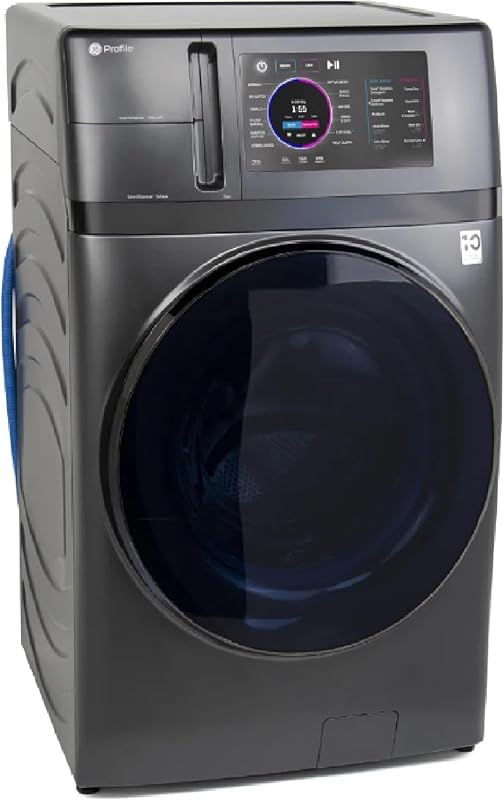
GE Profile PFQ97HSPVDS - Best overall GE all in one washer dryer
$2,100-$2,800 - check price on Amazon
Downsides: Dry cycles can take a while on heavy fabrics, and if the unit needs service, both washing and drying are out of commission at once.
Most households that want the best mix of capacity, convenience, and practical everyday use.
The GE all in one washer dryer earns the top spot because it gets the basics right. The 4.8-cubic-foot drum is large for this format, the ventless heat-pump system avoids exterior ductwork, and the one-and-done workflow solves the main reason people buy a combo in the first place. For condos, laundry closets, and remodels where venting is a headache, that matters more than flashy feature lists.
It also feels tuned for normal ownership. GE's SmartHQ app gives you remote status checks and notifications, but the bigger win is that the machine does not rely on gimmicks to justify its price. If you want a washer dryer combo that feels like a real primary laundry appliance, not a compromise machine for emergencies, this is the pick.
- Why I like it: Big drum for a combo, true ventless setup, helpful app support, and a strong balance of features and usability.
- Who should skip it: Anyone who runs many back-to-back loads or wants the fastest drying times should still consider separate machines.
LG WM6998HBA WashCombo - Best premium alternative

$2,300-$3,000 - check price on Amazon
Downsides: It usually costs more than the GE model, and the extra polish will not matter much if you just want simple one-load laundry.
Shoppers who like the GE concept but want a more premium interface and feature set.
If you are comparing the GE all in one washer dryer with its strongest premium rival, this LG is the obvious place to look. It leans harder into a high-end user experience, with a more polished display, deep cycle customization, and the kind of interface that feels closer to a premium appliance suite than a utilitarian laundry machine.
That said, the case for LG is mostly about finish, not a dramatic leap in laundry results. The GE Profile usually makes more sense on value alone. Choose LG if you care about a more refined control experience. Choose GE if you care about the core job and price discipline.
- Why I like it: Premium controls, competitive capacity, and a more upscale overall feel.
- Who should skip it: Buyers who want the smartest value in a ventless combo should start with the GE Profile instead.
Samsung Bespoke AI Laundry Combo - Best for smart-home fans

$2,400-$3,100 - check price on Amazon
Downsides: It is expensive, and some of its smart features are more appealing in the showroom than in daily laundry use.
People already invested in a Samsung smart-home setup who want a more design-led combo.
Samsung's combo is the stylish alternative to a GE all in one washer dryer. It has a cleaner, more modern look than most laundry appliances and puts a lot of emphasis on automation, app control, and smart-home tie-ins. If the rest of your home already runs through Samsung, that can make ownership feel more seamless.
The tradeoff is that not every premium feature changes your week. Laundry machines still live or die on cleaning, drying, maintenance, and ease of use. Samsung offers more tech theater; GE feels more straightforward. For many buyers, straightforward is the better long-term bet.
- Why I like it: Strong smart-home integration, excellent screen experience, and upscale styling.
- Who should skip it: Anyone who wants fewer menus, fewer extras, and a more practical value proposition.
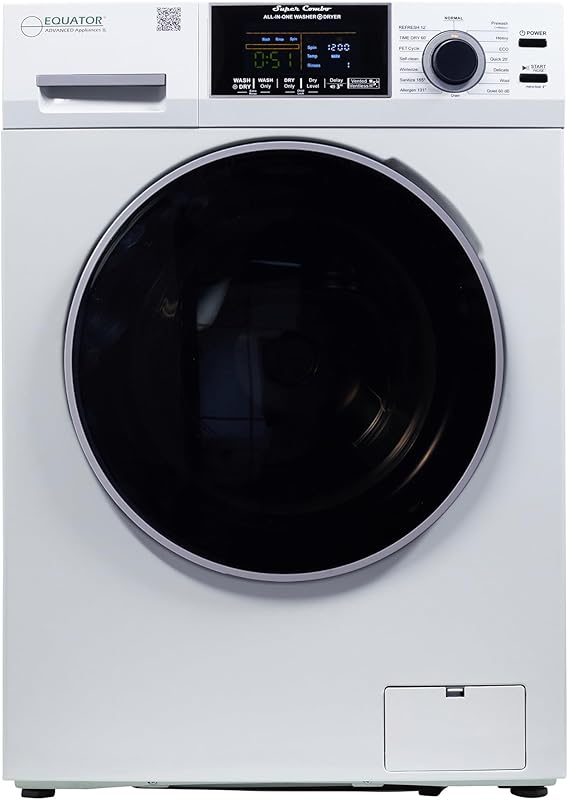
Equator Basic Stackable All-in-One Washer Dryer - Best budget-friendly combo
$1,000-$1,400 - check price on Amazon
Downsides: It has a much smaller capacity, a less refined build, and it is not a true performance match for the GE Profile.
Small households that need a cheaper combo and can live with smaller, slower loads.
If the price of a GE all in one washer dryer feels too steep, Equator is the kind of fallback people usually find. The appeal is obvious: one machine, lower upfront cost, and a footprint that works in tighter spaces. For occasional use, rentals, or a secondary setup, that can be enough.
But it is still a compromise pick. Budget combo units ask you to give up capacity, finish quality, and often day-to-day convenience. If this is going to be your main laundry machine, the GE is easier to recommend. If your budget is tight and the alternative is shared laundry, Equator makes more sense.
- Why I like it: Lower purchase price and a compact form that can fit hard-to-solve spaces.
- Who should skip it: Families and heavy laundry users should spend more for a larger, better-sorted machine.
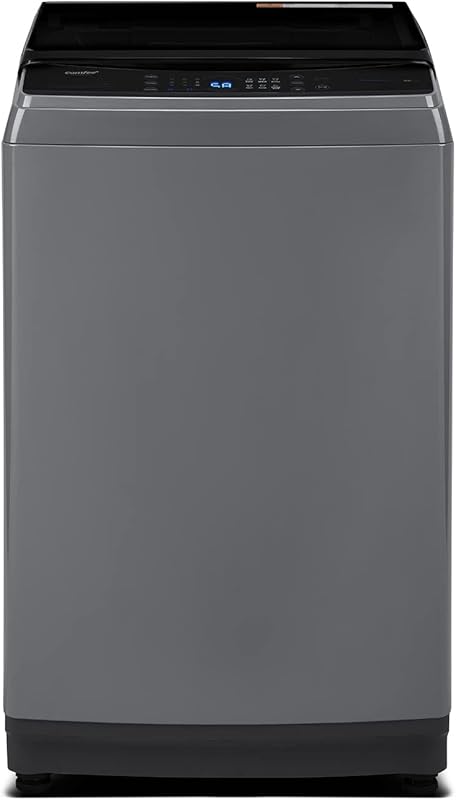
COMFEE' 24 Inch Washer and Dryer Combo - Best for small apartments
$850-$1,200 - check price on Amazon
Downsides: Capacity is limited, bulky loads are a stretch, and it cannot replace a larger combo for family use.
Apartment dwellers who need a slim washer dryer combo that fits where larger units do not.
This is the pick for buyers whose space dictates the decision. A compact machine like this COMFEE' exists for one reason: some laundry closets, kitchens, and urban apartments simply cannot take a full-size GE all in one washer dryer. When space is tight, fit is not a minor detail. It is the whole job.
You just need honest expectations. Compact combos work best for singles, couples, and lighter weekly loads. Towels, bedding, and heavy fabrics expose their limits quickly. For finishing clothes after drying, a good ironing board can help keep garments looking crisp. If the GE model fits, it is the better long-term appliance. If it does not, a slim combo like this keeps in-home laundry possible.
- Why I like it: Narrow footprint, lower price, and better odds of fitting in a real apartment laundry nook.
- Who should skip it: Anyone washing comforters, frequent towel loads, or sports gear should look for more drum space.
Miele WXD160 WCS and TXD160 WP Set - Best upgrade if you can skip the combo format
$3,000-$4,500 - check price on Amazon
Downsides: It is not an all-in-one machine, it costs far more, and it requires room for two separate units or a stacked setup.
Shoppers considering a GE combo who can afford separate ventless machines with fewer tradeoffs.
This is the upgrade path for people who start with a GE all in one washer dryer and then realize their real priority is ventless laundry, not necessarily a single machine. Miele's compact washer and heat-pump dryer sets cost much more, but they avoid the biggest structural compromise of combo units: one drum trying to wash and dry every load.
If you have the space, separate machines still make the strongest technical case. You can wash and dry at the same time, and maintenance can be simpler because one issue does not disable both functions. The GE wins on footprint and convenience. Miele wins on flexibility and premium execution.
- Why I like it: Excellent build quality, true ventless drying, and fewer format compromises than a combo machine.
- Who should skip it: Anyone who specifically wants one appliance instead of two should stay with a true all-in-one model.
If you are close to buying, measure your space first, confirm the electrical setup, and decide whether your real priority is one-machine convenience or the fewest compromises. For most people shopping this category, the GE all in one washer dryer is still the best place to begin. If you want to keep comparing compact laundry sets, ventless dryers, or small-space appliances, this is where the next step naturally starts.
Byteblip
New Products, Gift Guides, The Best Deals


