Espresso Machine Buying Guide for Beginners | ByteBlip
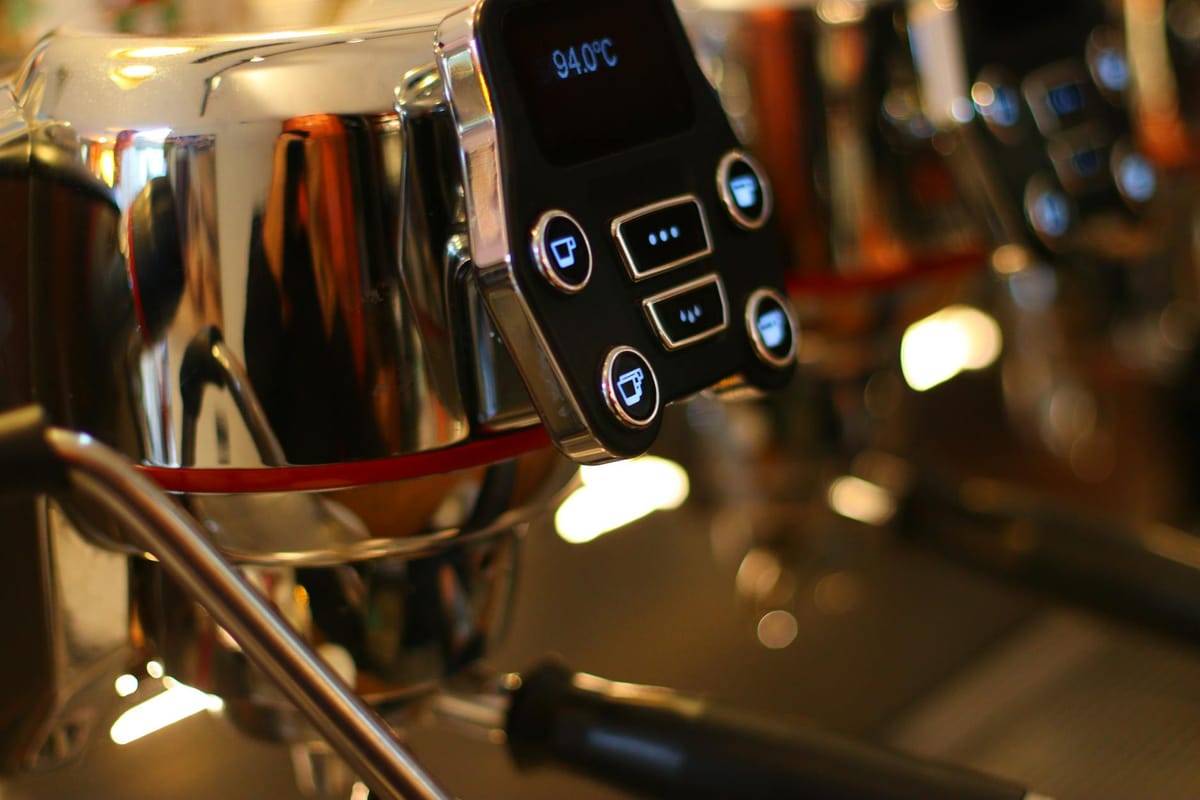
Top pick for most first-time buyers: a semi-automatic espresso machine paired with a burr grinder. That combination gives beginners the best mix of shot quality, hands-on control, and room to improve — without the complexity of a full manual setup.
If you want fast milk drinks every morning, your ideal machine will look different from someone who wants to learn manual espresso technique. Budget, counter space, steam power, and maintenance all shape the right choice.
This espresso machine buying guide for beginners explains which machine type makes the most sense for your habits, which features are worth paying for, how to set a realistic budget for the full setup, and which mistakes to avoid before you buy.
Why a Semi-Automatic Machine Is the Best Starting Point for Beginners
For most readers, the answer is straightforward: buy a semi-automatic machine, not the cheapest model with the biggest spec sheet.
Semi-automatic machines handle pump pressure automatically while you control the grind, dose, tamp, and shot time. That means you can learn real espresso fundamentals without taking on the full difficulty of a manual lever machine.
Why it wins for beginners: it balances ease of use, espresso quality potential, and long-term value better than any other category at this level.
If one-touch convenience is your priority, a super-automatic may fit better. If you want the most affordable and low-maintenance option, a pod machine may be enough. But for buyers who want a true home espresso setup they can grow with, a semi-automatic machine paired with a capable burr grinder is the strongest first purchase.
How to Choose the Right Type of Espresso Machine First
The biggest buying mistake beginners make is comparing random models before choosing the right machine category. Start with the format that matches your daily habits, not the one with the most features listed on the product page.
Manual and lever machines
Manual machines give you the most control over pressure and extraction profile. They can produce excellent espresso, but they demand more from the user and are far less forgiving of small errors.
Best for: hobbyists who enjoy experimenting and do not mind a steep trial-and-error curve.
Not ideal for: beginners who want consistent, repeatable coffee before work each morning.
Semi-automatic machines
Semi-automatic machines are the sweet spot for most new buyers in 2026. They let you build real skill, improve your shots over time, and still keep the daily workflow manageable.
Best for: beginners who want to learn espresso without making every single step fully manual.
Main advantage: a strong balance of control, consistency, and value that holds up as your technique improves.
Automatic and super-automatic machines
Automatic machines assist with shot timing. Super-automatic machines go further — grinding, dosing, brewing, and sometimes frothing milk at the press of a button.
Best for: households that prioritize speed and convenience over hands-on control.
Tradeoff: simpler daily workflow, but fewer ways to fine-tune your drink and often a significantly higher upfront cost.
Pod-based espresso machines
Pod machines are compact, fast, and easy to clean. They work well for convenience-first drinkers, but they do not offer the same freshness, flexibility, or upgrade path as a setup built around freshly ground beans.
Best for: casual drinkers who want espresso-style drinks with the least possible effort and cleanup.
In any solid espresso machine buying guide for beginners, choosing the right machine category comes first. Once that decision is made, comparing specific models becomes much easier.
Which Espresso Machine Features Actually Matter for Beginners?
Many first-time buyers get pulled toward flashy product-page specs. Most of those numbers matter less than a few core features that affect your coffee quality every single day.
Stable temperature control
Temperature stability matters more than headline pressure claims. If brew temperature swings during extraction, your shots will turn sour, bitter, or inconsistent — regardless of how good your beans are.
Machines with a PID controller or a well-engineered boiler system deliver more stable results. Single-boiler machines are common at the beginner level and perform very well when designed properly. Thermoblock machines heat fast and save counter space, though performance varies by model.
A capable steam wand
If lattes or cappuccinos are part of your daily routine, steam performance should rank near the top of your list. A weak steam wand makes milk drinks slow and frustrating even when the espresso shot itself is solid.
Choose a machine with a real steam wand if milk drinks are a regular habit. Automatic milk systems are easier to use, but manual wands typically produce better milk texture and give you more control over the final drink.
A standard 58 mm portafilter
A 58 mm portafilter is standard on more serious home espresso machines. Some entry-level models use smaller proprietary sizes, which can limit your accessory options later.
This is not a dealbreaker for every buyer, but a standard size makes it easier to find replacement baskets, tampers, and parts if you plan to keep the machine for several years.
Build quality and repair support
Good espresso machines are used hard, every day. Internal component quality, parts availability, and warranty support matter more than a polished exterior or a long feature list.
A machine that can be maintained and repaired is almost always a better long-term buy than a cheaper one that becomes disposable after two years.
Pressure gauge and pre-infusion
These features are useful additions, but they are secondary priorities. A pressure gauge helps you troubleshoot extraction problems. Pre-infusion gently saturates the puck before full pressure hits, which can improve shot consistency.
Both are worth having if they come included. Neither matters more than a solid grinder, stable brew temperature, and a workflow you can sustain every morning.
How to Set a Realistic Budget for Your First Espresso Setup
One of the most practical lessons in any espresso machine buying guide for beginners is this: do not spend your entire budget on the machine alone.
The grinder matters as much as the machine
Espresso is extremely sensitive to grind size consistency. A weak grinder can make even a well-built machine feel disappointing, while a capable burr grinder can help a modest machine produce noticeably better results.
Pre-ground coffee stales quickly and rarely offers the precision needed for balanced espresso extraction. If your budget is tight, it often makes more sense to buy a slightly less expensive machine and invest more in the grinder, especially if you are also comparing options from this roundup of the best espresso machines of 2024.
How to think about beginner budget ranges
Think in complete setup ranges rather than machine price alone.
Entry setup: a beginner semi-automatic machine, an espresso-capable burr grinder, a tamper, a digital scale, and basic cleaning supplies.
Mid-range setup: stronger temperature control, better steam power, a more consistent grinder, and sturdier accessories that hold up to daily use.
Premium beginner setup: faster workflow, stronger shot consistency, and more room to grow your technique without stepping into fully advanced prosumer territory.
The core principle stays the same at every price point: the full setup determines your experience, not the machine price alone.
Accessories worth buying early
You do not need every tool promoted in online espresso communities. Start with the pieces that directly improve consistency and daily usability.
- Espresso-capable burr grinder — the single most important accessory
- Digital scale with timer — for repeatable dose and yield
- Tamper that fits your basket — sized correctly, not a generic tool
- Milk pitcher — essential if you make lattes or cappuccinos
- Cleaning supplies — for backflushing and descaling
- Knock box — useful if you brew multiple shots daily
A bottomless portafilter or distribution tool can help you diagnose extraction issues later, but neither is a must-have on day one.
Match the Machine to Your Real Coffee Habits and Kitchen
The best beginner espresso machine is not always the one with the most advanced feature list. It is the one that fits how you actually drink coffee and how your kitchen is set up.
How many drinks do you make each day?
If you make one or two drinks each morning, a single-boiler machine is usually enough. If two people want back-to-back milk drinks, boiler recovery time and steam power become meaningfully more important.
Workflow matters as much as raw output. A slower machine may be completely fine for one person and genuinely frustrating for a busy household.
Do you drink straight espresso or milk-based drinks?
If you mostly drink straight shots, prioritize temperature stability and shot consistency above everything else. If you mostly make lattes or cappuccinos, steam wand power and control deserve more weight in your decision.
Milk-drink fans should not buy based on espresso specs alone. Some machines pull acceptable shots but feel slow or awkward when steaming milk every single day.
How much counter space do you have?
Measure more than just width. You also need clearance for the grinder, tamper, scale, and enough room to remove the water tank or open a bean hopper without moving everything around.
Compact machines can be a better fit for smaller kitchens, especially if you want a setup that feels practical rather than like a permanent installation.
How much effort do you want every morning?
Some people genuinely enjoy dialing in shots and practicing milk texture. Others want good coffee with minimal friction before the day starts. Be honest about which group you belong to.
Buy for your real morning routine, not your idealized one. The wrong machine is often the one that sounds exciting at checkout but feels like too much work at 6:30 a.m.
Common Beginner Espresso Machine Buying Mistakes to Avoid
Most first-time buyers waste money in predictable, avoidable ways. Sidestep these mistakes and your first setup will deliver far better results from the start.
Mistake 1: Chasing high bar pressure numbers
Many machines advertise 15-bar or 20-bar pressure as a selling point. That sounds impressive, but it is mostly marketing. Espresso is brewed at around 9 bars of pressure — anything higher is regulated down inside the machine anyway.
Pressure stability during extraction matters far more than a larger number printed on the box. For a technical baseline, the Specialty Coffee Association’s beginner espresso overview is a useful reference.
Mistake 2: Ignoring the grinder
This is the single most common and costly mistake beginners make. If your grinder produces inconsistent particle sizes, your shots will be inconsistent regardless of machine quality. A better grinder typically improves results faster than a more expensive machine.
Mistake 3: Buying too advanced too soon
Prosumer machines can look like a smart forever purchase, but they often add cost, physical size, and complexity that beginners simply do not need yet. More expensive gear does not automatically make espresso easier to learn or more enjoyable to make.
Mistake 4: Overlooking routine maintenance
Every espresso machine requires regular care. Depending on your machine and water quality, that includes cleaning the steam wand after each use, backflushing the group head, and descaling on a regular schedule.
If you want lower daily effort, choose a machine with straightforward maintenance steps and easy-to-find care instructions or replacement parts. Stocking a few basics early, much like putting together an essential cleaning kit, also makes upkeep easier to stick with.
Mistake 5: Expecting café-quality results on day one
Good espresso takes practice. You will likely need to adjust grind size, dose, and shot time during your first few weeks. That is normal and part of the process.
A good beginner machine makes the learning curve manageable. It will not eliminate the learning curve entirely — and any guide that claims otherwise is overselling.
FAQ: Espresso Machine Buying Guide for Beginners
What type of espresso machine is best for beginners?
For most people, a semi-automatic espresso machine is the best starting choice. It offers better coffee quality and more room to develop your technique than pod machines, without the cost or steep learning curve of advanced manual setups.
Do beginners need a grinder for espresso?
Yes. A burr grinder is essential for real espresso. Espresso extraction depends on precise, consistent grind size, and pre-ground coffee is typically too stale and too coarse for strong, balanced results.
How much should a beginner spend on an espresso setup?
Your budget should cover the machine, grinder, scale, tamper, and cleaning supplies together. The exact amount varies by preference, but the rule is consistent: budget for the full setup, not just the machine price.
Are pod machines good for beginners?
Pod machines are good for convenience and speed. They are less suitable if you want true espresso quality, freshly ground coffee, or the ability to improve your technique and customize your drinks over time.
What features matter most in a beginner espresso machine?
The most important features are temperature stability, a capable steam wand, solid build quality, and an easy daily workflow. Pressure gauges and pre-infusion are useful additions, but they come after getting the fundamentals right.
Is a semi-automatic espresso machine hard to use for beginners?
Not if you start with the basics. A semi-automatic machine requires you to grind, dose, tamp, and start the shot manually — but that process becomes routine within a few weeks. Most beginners find the hands-on workflow rewarding rather than difficult once they get past the initial adjustment period.
Final Thoughts
The clearest takeaway from this espresso machine buying guide for beginners is to start simple and buy smart. For most first-time buyers, that means a semi-automatic machine, a capable burr grinder, and a setup that honestly matches your daily coffee habits.
If you drink milk-based drinks every day, prioritize steam wand performance. If your kitchen is small, prioritize footprint and easy water tank access. If your budget is limited, protect money for the grinder before upgrading to a fancier machine body.
Use this guide as a practical checklist while comparing models: machine type, temperature control, grinder budget, milk-drink needs, available counter space, and maintenance requirements. That short list will help you narrow the field quickly and avoid paying for features you will never use.
Byteblip
New Products, Gift Guides, The Best Deals