Cheap vs Premium Standing Desk: Which Is Worth It?
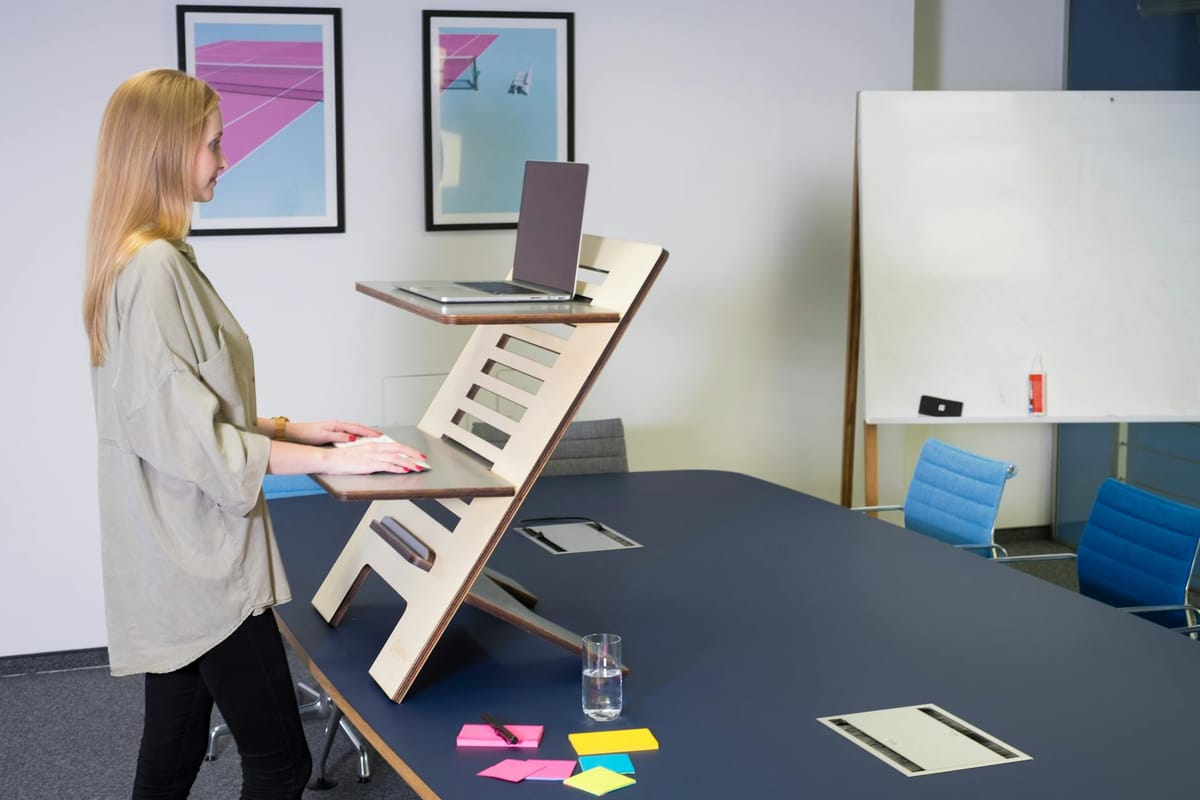
In a cheap vs premium standing desk decision, the answer is straightforward for most buyers: buy cheap for light setups, buy premium for daily heavy use. If you use a laptop or one monitor, a budget desk can work well. If you use dual monitors, a monitor arm, or stand for hours at a time, a premium model is usually worth the extra cost.
That price gap pays for things you notice every day: better stability, quieter motors, stronger desktop materials, and longer warranty coverage. Those upgrades do not matter equally for every buyer, which is why the right sit-stand desk depends on your setup, height, and how often you adjust it.
This guide breaks down where cheaper desks cut corners, where premium desks earn their price, and how to choose the right standing desk for your budget in 2026.
Our Top Pick: Which Type Is Best for Most Buyers?
Top pick for most buyers: a mid-range or premium standing desk is the safer choice if this will be your main workstation. It delivers the best mix of stability, motor quality, and long-term value.
Best budget pick by use case: a cheap standing desk makes sense for a first home office, a student setup, or a part-time workspace with light gear.
The deciding factor is not the sticker price. It is whether the desk will stay stable, lift smoothly, and hold up to your real workload over time.
What You Get With a Cheap Standing Desk
A cheap standing desk typically uses a simpler frame, a basic laminate top, and standard electric controls. For light daily use, that can be enough. If your setup is a laptop, one monitor, and a keyboard, many budget sit-stand desks perform well enough to justify the lower price.
The main benefit is clear: lower upfront cost. That makes a budget standing desk appealing for students, renters, first-time buyers, or anyone building a home office on a tight budget.
Where Budget Desks Usually Cut Costs
Most cheap standing desks save money in places you notice later, not on day one. Common compromises include thinner desktops, less rigid frames, lower-grade lifting columns, basic handsets, and shorter warranties.
Accessories are also limited. You may get fewer cable-management options, rougher edge finishing, and hardware that feels less refined during assembly.
Best Use Case for a Cheap Standing Desk
A budget standing desk is the right pick if you have a simple setup, do not adjust height frequently, and can accept some movement at full standing height.
Best for: first-time buyers, dorm rooms, guest offices, temporary setups, and light-duty workstations.
What a Premium Standing Desk Does Better
In a cheap vs premium standing desk comparison, premium models win on the features you notice every single day. They feel steadier, lift more smoothly, and hold up longer under regular use.
Premium standing desks typically feature thicker steel, tighter frame tolerances, better control boxes, stronger lifting columns, and desktops with more durable finishes. Those details reduce the small annoyances that make a desk feel flimsy over time.
Why Premium Standing Desks Cost More
Stability is the biggest upgrade. A premium desk is far more likely to stay planted when raised, which matters if you type hard, lean on the surface, or use heavy monitor arms.
Motor performance is another clear step up. Premium motors are quieter and smoother under load. If you transition from sitting to standing several times a day, that difference is easy to notice and hard to ignore.
Support and warranty also tend to be stronger. Higher-end brands usually offer longer coverage on the frame and electronics, plus easier access to replacement parts when something goes wrong.
Best Use Case for a Premium Standing Desk
A premium standing desk is the better fit if this is your main workstation, you use multiple monitors, or you want a desk that still feels solid after years of daily use. Pairing it with the right peripherals, such as a reliable wireless mouse, can also improve the overall workspace experience.
Best for: full-time remote workers, taller users, dual-monitor setups, heavy accessories, and buyers who prioritize low wobble.
Cheap vs Premium Standing Desk: The Differences That Matter Most
When comparing a cheap vs premium standing desk, ignore vague marketing claims and focus on the specs that affect your daily experience.
1. Stability at Standing Height
This is the biggest difference for most buyers. A cheap desk may feel fine while seated but wobble noticeably when fully raised. A premium desk is engineered to stay stable across its full height range.
If you are tall, use a heavy monitor arm, or rest your weight on the desk, stability should be your first filter when comparing models.
2. Motor Speed and Noise
Most electric standing desks move up and down — the question is how well. Budget desks can be slower and noisier, especially under heavier loads. Premium desks sound smoother and less mechanical.
If you share a room or take video calls while standing, quieter lift performance is a real quality-of-life benefit worth paying for.
3. Desktop Material and Finish
Cheap desks often use thinner particleboard or low-cost laminate. That can work, but edges may chip more easily and screw retention may weaken over time. Premium desks are more likely to offer thicker laminate, bamboo, or solid wood with better edge finishing.
A better desktop is not just cosmetic. It handles accessories more reliably and holds up longer under daily use.
4. Weight Capacity in Real Use
Published weight capacity matters, but real-world stability matters more. A desk may lift a heavy setup on paper and still feel shaky in practice.
If you plan to use dual monitors, speakers, a microphone arm, or an under-desk PC mount, premium models handle that load with more confidence and less flex.
5. Warranty and Long-Term Service
A longer warranty does not guarantee a better desk, but it often signals stronger brand confidence. Cheap standing desks tend to have shorter electronics coverage. Premium brands are more likely to offer stronger frame warranties and easier part replacement.
If you plan to keep the desk for years, warranty terms should be part of your value calculation, not an afterthought.
When Buying a Cheap Standing Desk Is the Smart Move
A cheap standing desk is not a bad buy by default. It is a smart buy when your setup is simple and your expectations are realistic.
If you use a laptop, one display, and basic accessories, a budget desk can deliver the core sit-stand benefit without overspending on features you will never use.
Choose a Cheap Standing Desk If You Have:
A light setup, a limited budget, or a temporary workspace. It also makes sense if you are trying a sit-stand desk for the first time and do not want a large upfront commitment.
In many cases, it is smarter to save on the desk and spend more on an ergonomic chair, a quality monitor, or better lighting.
When a Premium Standing Desk Is Worth the Extra Cost
Premium is worth it when the desk is central to your workday. If you stand often, work long hours, or use heavier gear, a better desk saves frustration and avoids replacement costs down the line.
A wobbly desk you replace in two years was not the cheaper option in the long run. For full-time users, a premium standing desk often has a lower cost per year of useful life than a budget model replaced twice.
Spend More on a Premium Desk If You Need:
Better stability, quieter motors, stronger materials, and long-term reliability. That is especially true for taller users and anyone running dual monitors on arms.
The gain is not just durability. A desk that feels calm and solid makes the entire workspace feel more professional and less distracting, especially when combined with efficient accessories like the best USB-C hub for laptop setups.
How to Choose the Right Standing Desk for Your Budget
The best cheap vs premium standing desk choice depends entirely on how you work. Before you buy, match the desk tier to your actual setup and daily habits.
Buy a Cheap Standing Desk If:
You need an affordable entry point, use light gear, and can accept some tradeoffs in finish or stability. Look for a model with a decent height range, a usable warranty, and strong owner feedback on wobble at full height.
Buy a Premium Standing Desk If:
You want a desk for full-time use, plan to keep it for several years, or need reliable performance under heavier loads. Premium makes more sense when the desk is a long-term tool, not a trial purchase.
Final Buying Checklist Before You Decide
Before buying, verify the desk's height range, frame stability rating, desktop thickness, stated weight capacity, warranty length, and real-world owner feedback at full standing height. Specs matter, but real-world stability reports matter more, and ergonomics guidance from OSHA's ergonomics resources can help you build a healthier workstation overall.
Bottom line: buy for your setup, not for the marketing. A cheap standing desk can be enough. A premium standing desk can be the better long-term value. The right answer in the cheap vs premium standing desk debate depends entirely on how hard you will push it every day.
Frequently Asked Questions
Is a premium standing desk really worth it?
Yes, if you work at the desk every day, use heavier equipment, or care about low wobble. A premium standing desk typically offers better stability, smoother motors, and longer warranty coverage than budget alternatives.
Do cheap standing desks wobble more?
Usually, yes. A cheap standing desk is more likely to wobble at full standing height, especially for taller users or dual-monitor setups. Premium desks are generally more stable because of stronger frames and tighter engineering tolerances.
What is the biggest difference between cheap and premium standing desks?
Stability under daily use is the biggest difference most buyers notice. Premium desks also tend to have quieter motors, better desktop materials, and stronger warranty support — all of which add up over years of use.
Should I buy a cheap or premium standing desk for dual monitors?
For dual monitors, especially mounted on a monitor arm, a premium standing desk is the better choice. It is more likely to stay steady and handle the extra load without excessive movement or flex.
How long does a cheap standing desk last?
A cheap standing desk can last for years with light use and a simple setup. Lifespan depends on frame quality, motor reliability, total load, and how frequently you raise and lower it each day.
The right answer to the cheap vs premium standing desk question is not the same for everyone. If your needs are basic, a budget desk may be all you need. If your desk is the center of your workday, paying more for better stability and durability is almost always the smarter long-term move.
Byteblip
New Products, Gift Guides, The Best Deals