Budget vs Premium Electric Toothbrush: What's Worth It?
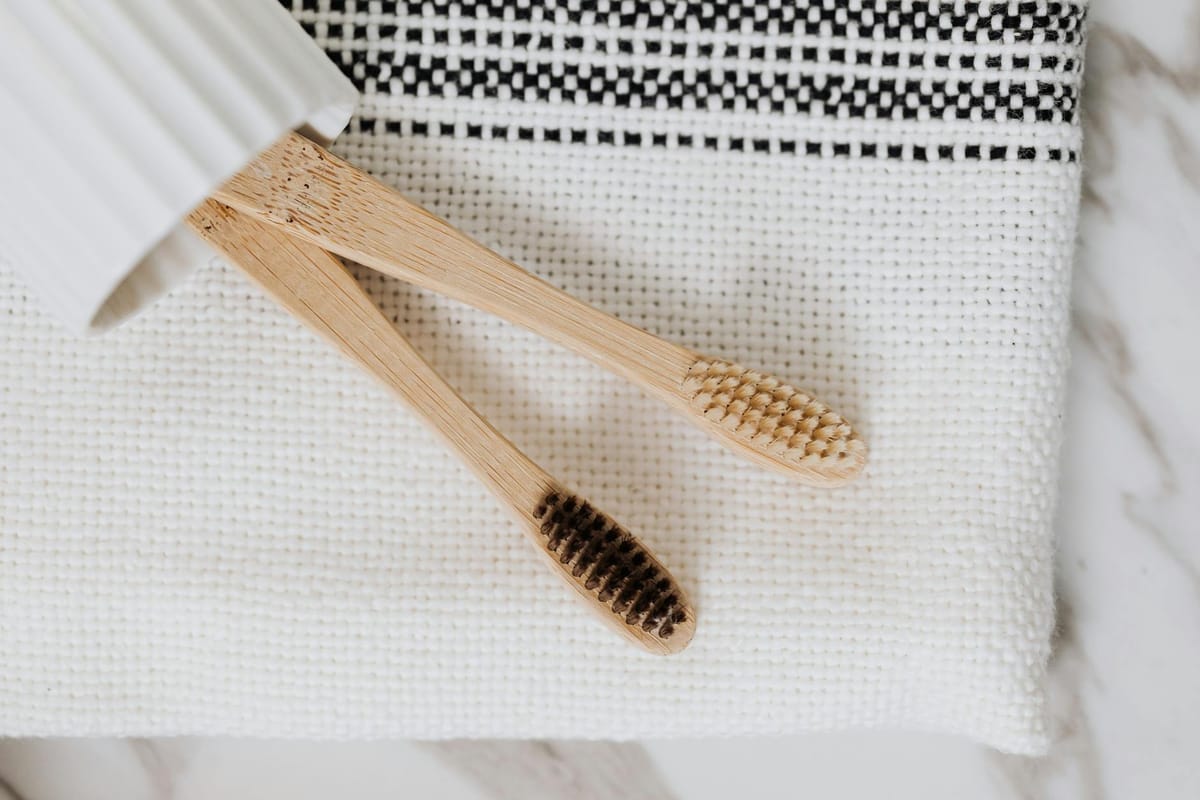
Top pick for most people: choose a budget or midrange electric toothbrush from a trusted brand like Oral-B or Philips Sonicare. In a budget vs premium electric toothbrush comparison, the more affordable option covers what matters most: a two-minute timer, a 30-second quadrant pacer, easy-to-find replacement brush heads, and reliable daily plaque removal.
Upgrade to a premium electric toothbrush only if you will genuinely use the added help. Pressure sensors, gentler motor tuning, longer battery life, and app-guided feedback are worth paying for if you brush too hard, have sensitive gums, wear braces, or want real-time coaching.
This guide breaks down the real differences in a budget vs premium electric toothbrush comparison: cleaning performance, comfort, built-in features, long-term ownership cost, and which type fits your mouth and your budget in 2026.
Budget vs Premium Electric Toothbrush: The Short Answer
For most shoppers, a budget electric toothbrush is the smarter buy. A well-made model from a reputable brand cleans effectively when used with proper technique and a fresh brush head every three months.
A premium electric toothbrush earns its higher price through better comfort, smarter real-time feedback, and more refined build quality. The performance gap between price tiers is usually bigger in user experience than in raw plaque-removal power.
Bottom line: pay for premium when the extra features will genuinely change your brushing habits, protect sensitive gums, or make it easier to stay consistent every day.
What Really Changes Between a Budget and Premium Electric Toothbrush?
The core difference is not whether the brush can clean — many affordable electric toothbrushes remove plaque effectively and are a clear step up from manual brushing. What separates price tiers is feedback, comfort, and refinement.
That distinction matters a lot for some users and very little for others. Knowing which camp you fall into is the fastest way to make the right call.
Cleaning Performance
Most reputable models use either oscillating-rotating or sonic vibration technology. Both work well. A premium brush may feel smoother or more consistent during use, but that does not translate to dramatically cleaner teeth after a few days.
Key takeaway: brushing technique still matters most. If you rush, press too hard, or miss sections, an expensive handle will not fix that on its own.
Motor Quality and Brushing Feel
This is one of the clearest differences in a budget vs premium electric toothbrush side-by-side. Premium handles tend to run quieter, feel steadier in the hand, and produce less harsh vibration against the teeth and gums.
If you have gum recession, sensitivity, or simply dislike aggressive vibration, the refined motor tuning on a premium model can make twice-daily brushing noticeably more comfortable.
Built-In Features
Budget brushes stick to the essentials: a two-minute timer, quadrant pacing, and one or two cleaning modes. Premium models may add pressure sensors, on-handle LED alerts, Bluetooth app coaching, position tracking, travel charging cases, and multiple brushing modes for whitening or sensitive settings.
Some of those upgrades matter more than others. A pressure sensor is genuinely useful for many people. A color touchscreen or detailed brushing analytics dashboard is often optional and easy to ignore after the first week.
Budget Electric Toothbrushes: Best for Most Buyers
If you want the best balance of price and performance, start here. In most budget vs premium electric toothbrush decisions, a well-made budget brush is the practical winner for everyday use.
Who Should Buy a Budget Electric Toothbrush
A budget electric toothbrush makes the most sense if you are:
- Switching from a manual toothbrush and want a meaningful upgrade without overspending
- Buying for kids, teens, or multiple bathrooms where cost per handle matters
- Trying electric brushing for the first time and want to test the habit before committing
- Focused on value and have no interest in app connectivity or extra modes
Look for a brush with a two-minute timer, 30-second quadrant pacer, comfortable grip, and widely available replacement heads. Those details deliver more real-world benefit than premium packaging or a long feature list.
What You Usually Give Up
Lower-cost handles often use simpler materials, fewer sensors, and shorter battery life. The handle may feel louder or less polished during use. That trade-off is often acceptable.
The bigger risk is buying an ultra-cheap off-brand model with poor customer support or hard-to-find replacement heads — that is where budget shopping can backfire.
Best Budget Use Case
If your goal is better daily cleaning at the lowest sensible cost, budget models hit the sweet spot. You get the core benefit of electric brushing — consistent two-minute sessions with quadrant pacing — without paying for features you may stop using after the first week.
Premium Electric Toothbrushes: Best for Specific Needs
Premium brushes are not the default best choice, but they can be the right one. In a budget vs premium electric toothbrush comparison, the higher-priced option makes sense when it solves a real, recurring problem with your brushing routine.
Who Should Pay More for a Premium Electric Toothbrush
Premium electric toothbrushes are a better fit for people who:
- Brush too hard and need real-time pressure alerts to protect enamel and gums
- Have sensitive gums or gum recession and want a gentler, more controlled feel
- Wear braces, have veneers, or dental implants and need more precise cleaning control
- Want guided brushing through app feedback or on-handle zone tracking
- Travel frequently and value longer battery life and a compact travel charging case
If a premium feature helps you brush better every single day, it can justify the extra cost. If it does not change your behavior, it is just an extra you are paying for.
Features Worth Paying For
Not every upgrade deserves your money. Focus on features that improve brushing habits or comfort:
- Pressure sensor: reduces overbrushing and protects gum tissue over time
- Gentler motor tuning: noticeably more comfortable on sensitive teeth and receding gums
- Longer battery life: practical for travel and less frequent charging at home
- Better handle design: quieter, steadier, and easier to grip during a full two-minute session
Features that are often less important: touchscreens, more than three cleaning modes, and detailed brushing analytics you are unlikely to review consistently.
Best Premium Use Case
If you know you need coaching, gum protection, or a gentler brushing experience, a premium electric toothbrush can be a smart long-term investment. The extra cost is easiest to justify when it directly improves how you brush every day.
Cost Over Time: Where Real Value Is Decided
The handle price is only part of the story. In a budget vs premium electric toothbrush comparison, long-term value comes down to replacement head cost, charging convenience, warranty coverage, and how long the handle stays reliable.
Replacement Heads Matter More Than Most Buyers Expect
Most people should swap brush heads every three months — or sooner if bristles flare. That means refill costs add up quickly over a year or two of ownership.
Practical tip: check the price and availability of compatible replacement heads before you buy the handle. A cheap brush with expensive or hard-to-find refills can cost more over two years than a slightly pricier model from Oral-B or Sonicare with widely available heads. This kind of total-cost thinking is similar to how buyers compare appliances in guides like Espresso Machine Buying Guide for Beginners, where ongoing ownership costs matter as much as the upfront price.
Battery Life and Charging Convenience
Budget brushes may need charging more often or come with bulkier inductive charging bases. Premium brushes typically last longer per charge — often two to four weeks — and may include a travel case with a built-in USB charger.
That may sound minor, but it affects whether the brush stays easy to use consistently at home and on the road.
Durability and Warranty
Premium handles often feature better waterproof sealing, stronger materials, and longer warranty terms — sometimes two years versus one for budget models. That matters if you want one handle to last for several years.
Still, many shoppers find the best value in the middle. The sweet spot is often a brush that nails the basics, has affordable replacement heads, and comes from a brand with dependable customer support.
How to Choose the Right Electric Toothbrush for Your Mouth and Budget
The smartest way to compare a budget vs premium electric toothbrush is to match the brush to your actual habits and dental needs. Buy based on what will help you brush better — not on how long the feature list looks on the box.
Choose Budget If...
- You want a clear, meaningful step up from manual brushing
- You do not care about Bluetooth app connectivity or zone tracking
- You have no significant gum sensitivity or special dental work
- You want lower ongoing costs across your household
For most people, a budget or lower-midrange model from Oral-B or Philips Sonicare is the best-value electric toothbrush pick in 2026.
Choose Premium If...
- You need real-time help managing brushing pressure or coverage gaps
- You have braces, veneers, implants, or sensitive gums that need a gentler approach
- You want quieter performance and a smoother, more refined feel
- You know that app feedback or handle alerts will genuinely improve your daily routine
Premium is worth it when the extra features improve behavior, comfort, or consistency. If they do not change how you brush, you are mostly paying for polish.
ByteBlip's Practical Recommendation
If you are stuck on the budget vs premium electric toothbrush question, ask yourself one thing: Will I use the premium features every single day?
If the answer is no, buy a reliable budget model and put the savings toward replacement heads, floss, and regular dental checkups. If the answer is yes — especially for pressure sensing or guided brushing — a premium brush can be money well spent in 2026.
Frequently Asked Questions
Is a premium electric toothbrush actually better than a budget one?
A premium model is often better in comfort, real-time feedback, battery life, and build quality. It is not always dramatically better at raw plaque removal. A good budget electric toothbrush from a reputable brand can still do an excellent job when used with proper technique and a fresh brush head.
What matters most in a budget vs premium electric toothbrush comparison?
The most important factors are a two-minute timer, pressure control, replacement head cost and availability, battery life, comfort, and brand support. For most buyers, those practical details matter more than touchscreens or extra cleaning modes.
Are cheap electric toothbrushes bad for your teeth?
Not if they come from a reputable brand and are used correctly. Problems usually stem from brushing too hard, poor technique, or buying very low-quality off-brand models with unreliable or hard-to-replace brush heads — not from choosing budget over premium.
Do dentists recommend budget or premium electric toothbrushes?
Many dental professionals recommend electric toothbrushes in general rather than premium-only models. Consistent two-minute brushing sessions, gentle pressure, and regular head replacement typically matter more than luxury features when it comes to oral health outcomes. The American Dental Association's toothbrush guidance reinforces that proper technique and regular replacement are key.
How long should an electric toothbrush handle last?
A quality electric toothbrush handle often lasts three to five years, depending on battery health, waterproof sealing, and everyday care. Premium handles may last longer due to better materials, but a well-made budget handle from a major brand can still deliver excellent long-term value. If battery life is high on your list of priorities, you may also like how ByteBlip compares everyday value features in Best Budget Wireless Earbuds 2026: Top Affordable Picks.
Final Verdict
In the budget vs premium electric toothbrush debate, the best buy for most people is a budget or midrange model from a trusted brand like Oral-B or Philips Sonicare. It delivers the core benefits of electric brushing — consistent timing, quadrant pacing, and effective plaque removal — without unnecessary cost.
Choose premium if you need a pressure sensor, a gentler brushing feel, stronger battery life, or app-guided coaching that will genuinely improve your daily routine.
Simple rule: buy budget for value, buy premium for targeted benefits. Before you decide, compare replacement head prices first, then prioritize a timer and pressure sensor over flashy extras.
If you are ready to shop in 2026, shortlist two or three models and compare their total two-year ownership cost — handle price plus replacement heads — not just the sticker price. That is usually the clearest path to a smarter buy and a better brushing routine.
Byteblip
New Products, Gift Guides, The Best Deals