Best Trampoline for Kids (2026): 5 Safe Backyard Picks
A fun, safety-first guide to the best trampolines for kids in 2026 - with springless, budget, and small-yard picks.
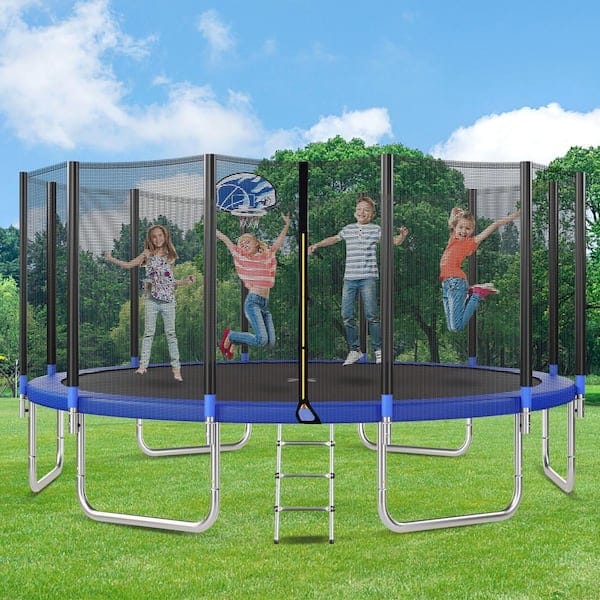
Shopping for the best trampoline for kids is one of those parenting rites of passage - right up there with stepping on a LEGO at 2am. The goal is simple: maximum giggles, minimum ER vibes. But the trampoline aisle is chaos: springless vs springy, round vs rectangular, tiny bouncers for toddlers, and giant backyard rigs that look like they belong in a Cirque du Soleil audition.
In this guide, I break down what actually matters (enclosure design, padding, frame quality, and a realistic trampoline weight limit) and then pick the best trampolines for real families - from small-yard starters to premium bounce machines.
Quick note: every product link below is an affiliate link. If you buy through them, ByteBlip may earn a commission at no extra cost to you.
Our Top Picks
Springfree Medium Round Trampoline (10 ft) - Best springless trampoline
If your number-one priority is "how do I keep my kid away from springs forever", Springfree is the easy answer. Instead of metal springs, it uses flexible rods and a soft-edge mat design, which removes a bunch of the classic pinch-and-bounce injury points parents worry about.
I like the Medium Round size because it is big enough to grow with your kids, but it does not take over your entire yard. It is also the kind of trampoline you buy once and stop thinking about - which is the highest compliment I can give any backyard purchase.
Downsides: Premium price, and the bounce feel is different from a classic spring trampoline (some kids love it, some need a day to adjust).
Families who want a springless trampoline and are willing to pay more for peace of mind.
Jumpflex HERO 12ft - Best trampoline with enclosure for most families
The Jumpflex HERO 12ft hits the sweet spot for a backyard trampoline: big enough for real bouncing, not so massive it looks like you are training athletes. What I like most is the way the net attaches to the mat all the way around (their SafeSeal concept) so the "gap" problem is less of a thing.
It is also rated for a high total load (550 lb) and a max individual user weight of 350 lb, which is reassuring when cousins show up and everyone suddenly forgets the "one kid at a time" rule.
Downsides: Like any full-size trampoline, setup takes time and you need a flat, clear area.
Most families shopping for a trampoline with enclosure that feels safe, sturdy, and not wildly overpriced.
Zupapa Saffun 12ft - Best backyard trampoline on a budget
Zupapa is popular because it sells the full "backyard trampoline" idea (enclosure, ladder, accessories) without the premium-brand bill. The Saffun 12ft model is a good pick if you want a larger size, a no-gap style mat, and a long warranty story - but you are trying to keep the budget in check.
Just be realistic: cheaper trampolines can be totally fine, but they are less forgiving if you skip maintenance. Plan to check bolts, inspect the net, and replace padding when it gets tired.
Downsides: Pricing changes often and the overall fit-and-finish is usually not as dialed as premium brands.
Value shoppers who still want a full-size trampoline with an enclosure in the 12 ft range.
Little Tikes 7ft Trampoline - Best starter trampoline for younger kids
If your kid is in the "I just want to bounce" phase (and not the "let me attempt a double backflip" phase), a smaller trampoline can be the move. The Little Tikes 7ft model is designed for ages 3-10 and has a 100 lb max weight limit, which basically screams: "this is a kid trampoline, not a family trampoline."
The upside is that it fits better in small yards, it is less intimidating, and it is a nice way to test whether your household is really a trampoline household.
Downsides: Lower weight limit and smaller jumping surface means kids will outgrow it faster.
Toddlers and younger kids who want a starter trampoline with a safety net enclosure.
ACON Air 13 Sport HD (Rectangular) - Best for big bounce and gymnastics-style jumping
If you have a kid who treats your living room couch like a launch pad, a rectangular trampoline might be the best match. Rectangular mats tend to deliver a more even, higher bounce across the whole surface, and they are often preferred for gymnastics-style practice.
The ACON Air 13 Sport HD is a serious piece of backyard equipment: a big footprint, a tall net, and a spec sheet that reads like it was written by someone who owns a torque wrench. It is also priced like a premium toy for people who are extremely committed to bouncing.
Downsides: Expensive, heavy, and you need space. Overkill if your kids just want casual jumping.
Older kids and teens who want a rectangular trampoline for higher, more controlled bounce (and families who have the yard space).
Byteblip
New Products, Gift Guides, The Best Deals