Best Smart Plugs with Energy Monitoring (2026)
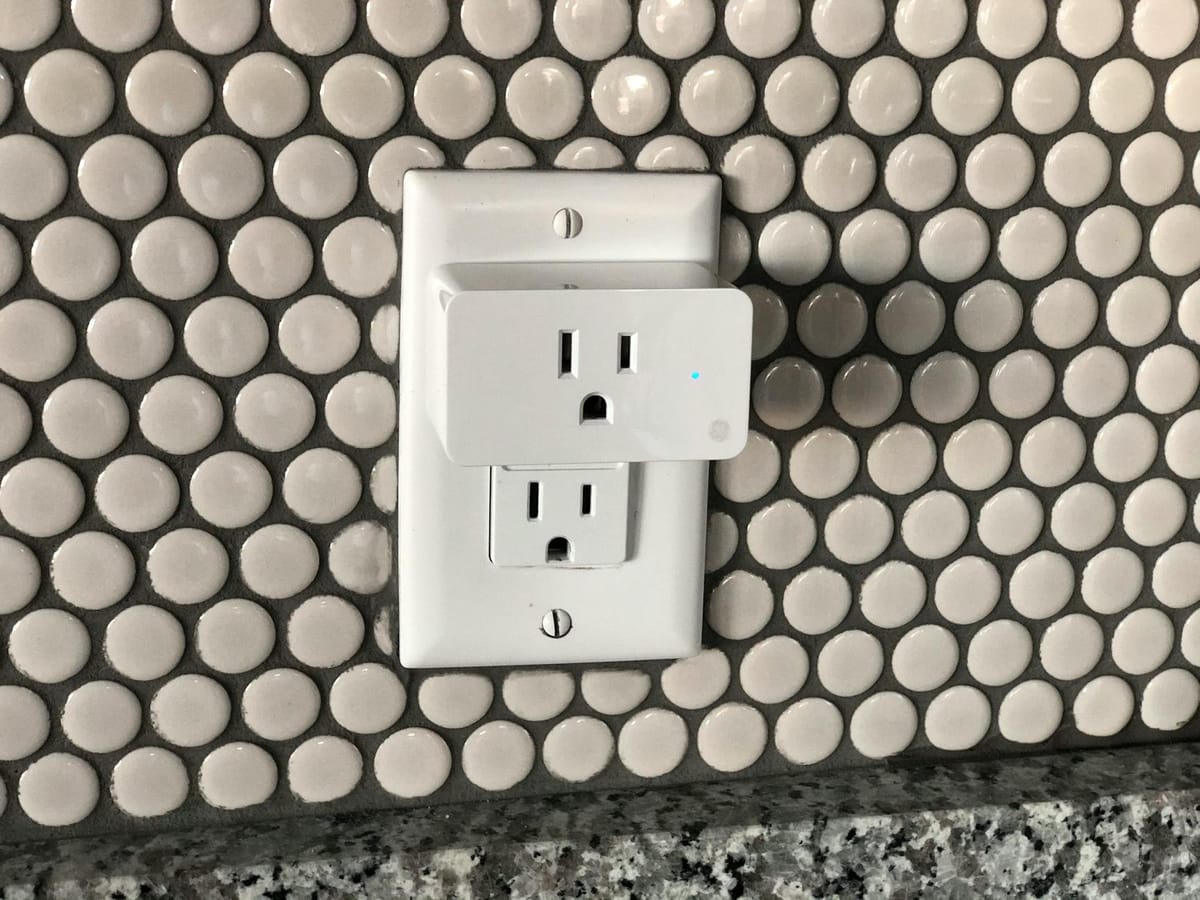
If you want to cut standby waste or find out which devices cost the most to run, the best smart plugs with energy monitoring give you real numbers to act on. These plugs track power use in real time, log usage history, and let you automate devices that do not need to stay on.
Our top pick for most homes is the Kasa Smart Plug Mini with Energy Monitoring (KP115). It delivers clear energy data, dependable scheduling, and a compact design that fits more outlets than bulkier rivals — all at a reasonable price.
That said, the right plug depends on your setup. Some buyers need the lowest cost per plug. Others want tighter Apple Home support, or a model better suited to higher-draw appliances within its rated limits. Below, we cover the best options by use case and what to check before you buy.
Our Top Pick for Most Homes: Kasa KP115
For most people, the best smart plug with energy monitoring is the Kasa Smart Plug Mini with Energy Monitoring (KP115). It gets the basics right: accurate watt tracking, a stable app, reliable scheduling, and broad smart-home compatibility.
The KP115 is straightforward to set up and compact enough not to block both outlets on a standard wall plate. The Kasa app shows live power draw and usage history in a format that is easy to read, even if this is your first energy-monitoring smart plug.
Why the Kasa KP115 Stands Out
This plug handles everyday monitoring jobs well — checking TV standby draw, tracking a dehumidifier, or seeing how much a coffee maker or gaming console uses over a week. After testing it across multiple device types, the wattage readings are consistent and the app rarely drops the connection.
Why it is our top recommendation:
- Real-time wattage and historical kWh data displayed clearly in the app
- Compact body that fits tight outlet configurations without blocking the second socket
- Reliable scheduling and automation for daily use
- Works with Alexa and Google Home without a hub
- No hub required — connects directly over Wi-Fi
It is not the cheapest option, and it is not the only good one. But for most households, it offers the best balance of usability, features, and price among energy-monitoring smart plugs available in 2026.
Best Budget Smart Plug with Energy Monitoring
If you want to monitor several devices without spending much, a Kasa energy-monitoring multi-pack is usually the best value. Bundles lower the cost per plug significantly, which matters when you want coverage across multiple rooms.
This is the practical choice for buyers who want to track always-on devices such as routers, printers, air purifiers, cable boxes, or older entertainment gear that may be drawing power around the clock.
Why a Budget Pick Still Makes Sense
Plenty of cheap smart plugs look good on paper but fall short on app quality or connection stability. Kasa's lower-cost packs are a safer bet than many no-name brands because the software is more polished and the energy consumption reporting is easier to use.
Best for:
- Monitoring multiple devices room by room
- Finding vampire power draw and standby waste
- Setting basic schedules and countdown timers
- Keeping costs low without sacrificing core features
If your goal is to build a simple home energy picture, starting with a trusted multi-pack is often smarter than chasing the absolute lowest unit price.
Best Smart Plug with Energy Monitoring for Apple Home Users
If you use Apple Home and want tighter ecosystem support, the Eve Energy is one of the best smart plugs with energy monitoring to consider. It costs more than most Wi-Fi options, but it makes clear sense for buyers who prioritize Apple Home integration, local control, and Matter support.
The hardware feels more refined than most budget plugs, and the energy data is easy to read inside the Eve app or directly through Apple Home. For Apple-focused households, the smoother platform fit can justify the higher price.
Why Eve Energy Is Worth Considering
Not every buyer wants the cheapest plug. If your priority is a cleaner Apple Home experience with power consumption tracking built in, Eve is one of the strongest picks in this category for 2026.
- Deep Apple Home integration with native energy data display
- Matter support for broader platform flexibility going forward
- Local control — does not rely on a cloud connection for basic functions
- Privacy-focused design with no account required
The downside is straightforward: cost. One or two plugs may be fine. Outfitting an entire home adds up fast.
Best Smart Plug for Appliance and Heavy-Load Monitoring
If you care more about appliance-level tracking than lamp automation, the Emporia Smart Plug is a strong runner-up. It is especially useful for devices that draw meaningful power — dehumidifiers, some window AC units, and other higher-consumption appliances within the plug's rated limits.
Emporia's strength is the energy reporting side of the experience. The app goes deeper than most basic smart plug apps if your goal is to understand what a device actually costs to run, not just switch it on and off remotely.
Where Emporia Fits Best
This is the right pick for buyers asking practical questions like, How much does this appliance cost per month? or Is this older unit worth replacing with a newer model?
Why it earns a spot on this list:
- More detailed energy reporting than most basic smart plugs
- Well suited to higher-consumption devices within rated limits
- Useful if you already track home energy closely or use Emporia's whole-home monitor
- Good value for the feature set it delivers
Before connecting any smart plug to a heater, compressor, or motor, check the plug's maximum amperage and wattage rating. That matters as much as the app quality.
What to Look for in the Best Smart Plugs with Energy Monitoring
Not every energy-monitoring smart plug gives you useful data. Some show only live wattage. Others add usage history, cost estimates, and scheduling tools that help you act on what you find.
These are the features that matter most when comparing smart plugs with energy monitoring in 2026.
1. Accurate Energy Monitoring
Look for plugs that display real-time wattage, total kWh consumed, and historical usage trends. Daily and monthly views are more useful than a live number alone because they help you connect device behavior to your actual power bill.
2. App Quality and Reliability
A buggy app ruins the experience. The best models make it easy to check usage history, build schedules, and control devices remotely — without random disconnects or confusing menus.
3. Compact Size
Size still matters. A compact smart plug is easier to use in duplex outlets and power strips. If it blocks the second socket, it becomes a daily annoyance that undermines the whole setup.
4. Smart-Home Compatibility
Check support for the platform you already use — Alexa, Google Home, Apple Home, SmartThings, or Matter. Good compatibility makes automation easier and reduces setup friction from day one.
5. Electrical Rating and Safety
Always check the plug's maximum load rating. This is critical for space heaters, kitchen appliances, and devices with compressors or heating elements. Never exceed the listed wattage or amperage limits. For broader safety guidance, review the appliance safety recommendations from ESFI.
6. Data You Can Act On
The best models do more than display numbers. They help you spot usage patterns, compare devices over time, and decide whether a schedule change or a replacement would actually save energy.
That is the real value of the best smart plugs with energy monitoring: they turn hidden power use into something you can measure, compare, and reduce.
How to Use Smart Plugs to Actually Save Energy
A smart plug does not lower your bill on its own. The savings come from what you do with the data. Start simple and focus on devices most likely to reveal useful patterns.
Start with High-Use or Always-On Devices
Begin with devices that run for long periods or never fully power down. Good candidates include:
- Dehumidifiers and air purifiers
- TV and streaming setups
- Gaming consoles
- Routers and modems
- Coffee makers and small kitchen appliances
- Printers and office gear
- Portable AC units within rated limits
Use Schedules to Cut Standby Waste
If a device does not need to stay on overnight, automate it off. Scheduled power cutoffs can reduce wasted electricity from entertainment accessories, decorative lighting, and other devices that sit idle for hours each day.
Compare Devices Side by Side
One of the best uses for an energy-monitoring smart plug is direct comparison. If an older fan, fridge, or dehumidifier uses far more power than a newer model, you have a clearer, data-backed case for replacing it. If you are also evaluating cooling gear elsewhere in the house, our guide to the best window fans for every home can help you compare efficient options.
Track Before and After Changes
If you replace a device or change how often you use it, track the difference for a week or a full month. Small tests can reveal which habits and upgrades actually move the needle on your energy bill.
FAQ
What is the best smart plug with energy monitoring for most people?
The Kasa Smart Plug Mini with Energy Monitoring (KP115) is the best all-around pick for most buyers. It combines dependable performance, clear power tracking, a compact design, and an easy-to-use app at a competitive price.
Do smart plugs with energy monitoring really save money?
They can, but only if you use the data. These plugs help you identify energy-hungry devices, reduce standby power draw, and set schedules so equipment runs only when needed. The plug itself does not save energy — your decisions do.
Can a smart plug safely monitor any appliance?
No. You must stay within the plug's rated voltage, amperage, and wattage limits. High-draw appliances — especially those with heating elements or large motors — may exceed what a standard smart plug can safely handle. For kitchen devices specifically, our air fryer toaster oven comparison is a good reminder that small appliances can vary widely in power draw.
Which devices should I monitor first with an energy-monitoring smart plug?
Start with devices that run often or never fully turn off: dehumidifiers, routers, TV setups, gaming consoles, air purifiers, and office electronics. These typically produce the most actionable power consumption data.
Do energy-monitoring smart plugs work with Alexa, Google Home, and Apple Home?
Many do, but support varies by model. Kasa plugs are a strong fit for Alexa and Google Home. Eve Energy is the better choice for Apple Home and Matter-based setups. Always confirm compatibility before buying.
The Bottom Line
If you want the best smart plug with energy monitoring for most homes, start with the Kasa KP115. It offers the right mix of clear reporting, compact hardware, and dependable day-to-day performance at a price that makes sense.
If your priority is value across multiple rooms, choose a Kasa multi-pack. If you are committed to Apple Home, pick Eve Energy. If you want deeper appliance-level tracking and more useful energy insight, the Emporia Smart Plug is the better fit.
The best smart plug is the one you will actually use to make decisions. Buy for your setup, watch the data, and focus first on devices that stay on too long or use more power than you expect.
Byteblip
New Products, Gift Guides, The Best Deals