Best Portable Power Station (2026): 5 Picks for Camping + Outages
My 5 favorite portable power stations for camping, CPAP, and home outages—plus what specs actually matter.
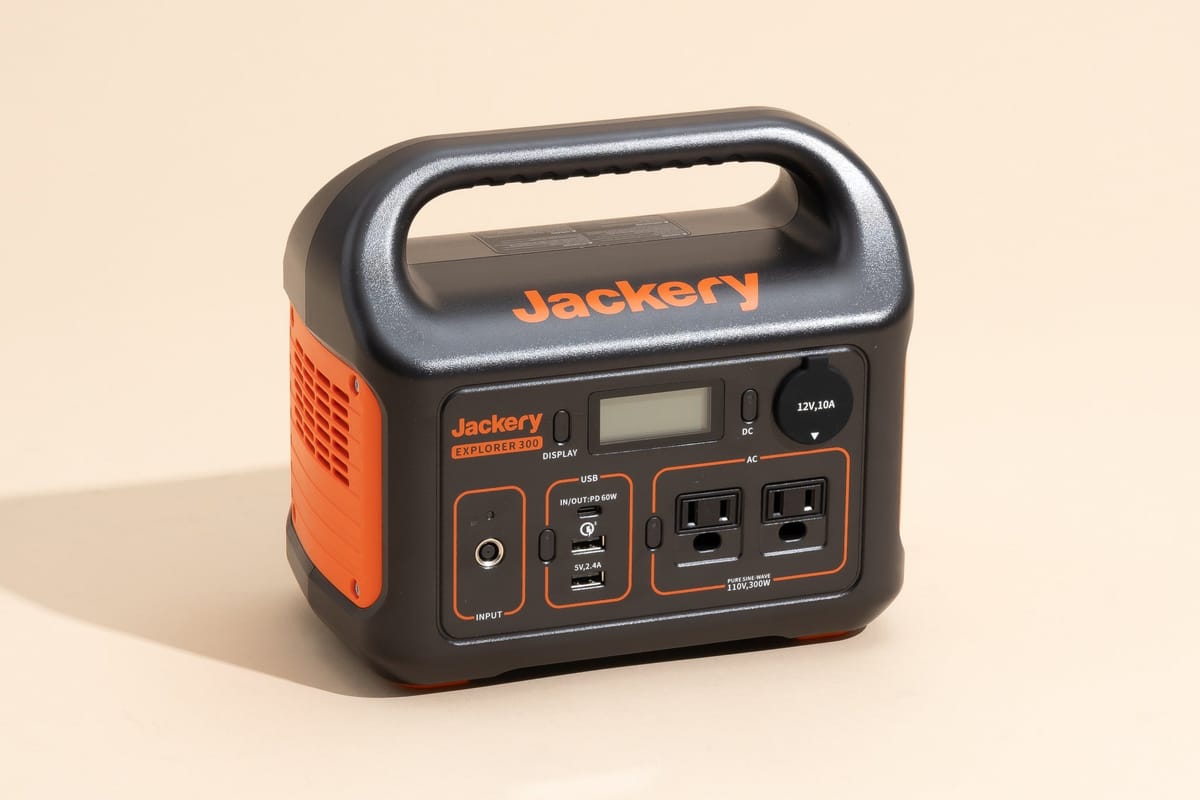
If you’re shopping for the best portable power station in 2026, you’re probably trying to solve one of three problems: keep your essentials alive during an outage, run stuff at camp without sounding like a lawnmower, or power a device like a CPAP reliably overnight. I’ve tested (and lugged) enough battery boxes to tell you this: specs are easy, real-world usability is the whole game.
Below are my favorite picks right now, plus a simple buying guide so you don’t accidentally buy a 25-pound phone charger… or a 60-pound “portable” brick you hate moving. If you’re also building out an emergency kit, check out our UV phone sanitizer guide. And if your power-plan includes sleeping better in general, you might like our mattress topper picks.
Our Top Picks
Anker SOLIX C1000 — Best for most people
The Anker SOLIX C1000 hits the sweet spot: enough capacity for the “keep my fridge and router alive for a bit” crowd, fast charging that actually changes how you use it, and a size that doesn’t ruin your lower back. The headline spec is 1056Wh with 1800W continuous AC output, which is plenty for most household and camping scenarios.
What I like most is the charging speed. If you can slam it from low to full in about an hour, you stop babying it and start using it like a tool. That’s the difference between “emergency-only” gear and “I use this all the time” gear.
Downsides: Not the biggest capacity per dollar if you’re trying to run heavy loads for multiple days; you may outgrow it if you want serious home backup.
Apartment outages, weekend camping, work-from-car days, and anyone who values fast recharging more than raw capacity.
EcoFlow DELTA 2 — Best for fast charging and expandability
The EcoFlow DELTA 2 is the friend who shows up early and brings extra snacks. It’s a 1024Wh unit with 1800W AC output (and EcoFlow’s X-Boost to handle some higher-wattage appliances). The real flex is the ecosystem: you can expand it with extra batteries up to the multi-kWh range, which is huge if you want to start “portable” and slowly build toward “I can survive a blackout without becoming feral.”
EcoFlow also tends to do an excellent job with app control and monitoring. If you’re the type who wants to know exactly what’s happening (input watts, output watts, time remaining), you’ll appreciate it.
Downsides: Expansion batteries add cost fast; app features are great until you’re somewhere with spotty connectivity and you just want a dumb reliable box.
People who want a portable power station for home backup that can grow with them over time.
Jackery Explorer 2000 v2 — Best for bigger outages and multi-day camping
When you need more capacity, you step up into the ~2kWh class. The Jackery Explorer 2000 v2 is rated at 2042Wh with up to 2200W AC output. Translation: you can run more stuff, for longer, without doing mental math every 12 minutes.
This is the kind of size that starts making sense for longer power outages, for people who work from home and need internet + laptop + lighting + a bit of comfort, or for campers who want to power a cooler, lights, and charging without micromanaging usage.
Downsides: Bigger boxes mean bigger weight and higher cost; you’ll feel it every time you move it.
Multi-day camping and households that want a more serious emergency buffer without going full generator.
BLUETTI AC180 — Best value in the “lots of watts” category
If you care about running higher-wattage appliances (within reason), BLUETTI’s AC180-style units are popular because they tend to offer a lot of inverter for the money. This is useful for things like small cooking appliances, tools, or a more aggressive “keep life normal-ish” approach during short outages.
Just remember: wattage and capacity are different. A high-watt inverter doesn’t help if the battery is small; it just means you can drain it faster in more interesting ways.
Downsides: Value models can have more variation across versions and sales; pay attention to the exact battery capacity and port selection before you click buy.
Shoppers who want strong output specs for the price and are willing to compare exact models.
Goal Zero Yeti 1000X — Best for the “buy it for life” vibe
Goal Zero is one of the OG names in this space. The Yeti line tends to appeal to people who want a clean design, solid support, and a system that pairs nicely with solar panels. If you’re building a camp setup where solar charging matters (or you’re trying to keep a power station topped off during a longer outage), that ecosystem thinking is valuable.
Downsides: You may pay a premium for the brand and design; newer competitors can offer better charging speed or specs-per-dollar.
Solar-friendly setups and shoppers who prioritize a mature ecosystem and brand track record.
Byteblip
New Products, Gift Guides, The Best Deals