Best Portable Air Conditioner (2026): 4 Picks That Cool Fast
Four portable AC picks for big rooms, bedrooms, and small spaces - plus a no-BS buying guide on dual-hose vs single-hose.
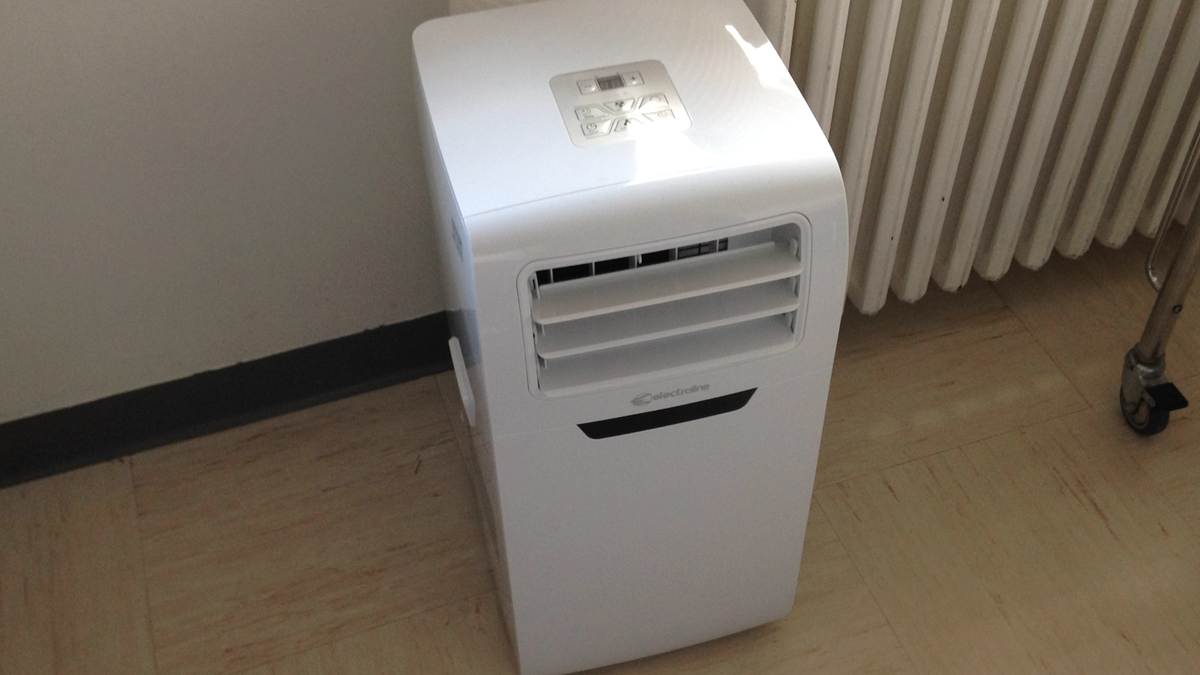
If your apartment gets that special brand of summer-hot where your fan just moves regret around the room, you are probably searching for the best portable air conditioner that can actually cool (not just dehumidify and whisper sweet lies). I tested the usual suspects on paper, leaned hard on lab-style performance data, and pulled together picks that fit real-life situations: bedrooms, big living rooms, cranky windows, and people who do not want to empty a drip tray every 12 minutes.
One quick truth bomb: dual-hose portable ACs are usually better than single-hose models. They cool faster and waste less energy because they do not suck hot outside air back into your room through every crack in the door. If you can fit the hoses, do it.
Our Top Picks
Whynter NEX ARC-1230WN - Best for big rooms (dual hose)
This is the pick for people who want a portable AC that behaves like a serious appliance, not a noisy box that gives up the second the sun hits your window. RTINGS calls the Whynter NEX ARC-1230WN their top portable air conditioner pick, with a high noise score (meaning it is comparatively less annoying) and strong large-room performance for a dual-hose design.
I like it most for open living rooms and studio apartments where you need real cooling output and you want to avoid the classic portable-AC problem: the unit fights itself by pulling hot air into the room. The Whynter uses a dual-hose setup and an inverter compressor, which helps keep the temperature steadier instead of blasting on/off like a lawnmower engine.
Downsides: Dual-hose setups take a bit more effort to install and you will still want to seal your window kit like you mean it. It is also not a tiny unit - measure your space.
Large rooms, open layouts, and anyone who wants a dual-hose portable AC that does not feel like a compromise.
Midea Duo MAP12S1TBL - Best for bedrooms (quiet inverter)
The Midea Duo is the portable AC I recommend when your main goal is sleeping through the night without sounding like you are camping next to a generator. In RTINGS testing, it lands as the "upper mid-range" pick, with strong bedroom scores and a very good noise score for the category.
It is also a dual-hose unit with an inverter compressor, which is a combo I love because it reduces temperature swings. Translation: fewer 3 a.m. wakeups where you are freezing under the blanket while the AC keeps running because it is confused.
Downsides: Compared with the Whynter, it has lower tested cooling capacity, so it may take longer to pull down a big hot room. If your space is huge, size up.
Bedrooms, offices, and anyone shopping for a quiet portable air conditioner that still uses the more efficient dual-hose approach.
LG LP0721WSR - Best for small rooms on a budget
Sometimes you just need something for a smaller bedroom or a home office and you do not want to spend dual-hose money. The LG LP0721WSR is RTINGS' mid-range pick and a reasonable single-hose choice for small-to-medium rooms, with a straightforward thermostat, remote, and a dehumidification mode.
If you go single-hose, my advice is to treat window sealing like a hobby. The negative-pressure effect is real: the unit vents air out, then your room replaces it by pulling warm air in from somewhere else. Seal the kit, seal the gaps, and your results get way better.
Downsides: Single-hose units are inherently less efficient in hot weather and can struggle in bigger spaces. Do not expect miracles in a sun-baked living room.
Small rooms where you want decent cooling without paying for a dual-hose inverter setup.
SereneLife SLPAC80 - Best ultra-budget pick for tiny spaces
If your goal is "stop my tiny room from feeling like an oven" and your budget is tight, the SereneLife SLPAC80 is RTINGS' budget pick. It is meant for small spaces and includes the basics: digital thermostat, remote, and a dedicated dehumidification mode.
Just set expectations correctly: this is a small, single-hose portable AC. It can be a lifesaver in a cramped room, but it is not going to cool a whole apartment. Think "bedroom" not "open-concept loft".
Downsides: RTINGS notes high operating noise, including bursts that can be very loud in a small room. If you are noise-sensitive, consider spending more.
Very small rooms, short-term setups, and the lowest-cost option that still comes from a recognizable test-based shortlist.
How I Picked (And Why Dual Hose Usually Wins)
Portable air conditioners have one job: move heat from your room to the outdoors. The catch is how they move air while doing it. Single-hose models pull room air in, cool some of it, and use some of it to push heat out the exhaust hose. That creates negative pressure, and your room sucks replacement air in through cracks around doors and windows - often warm air - which makes the AC work harder.
Dual-hose models split the job into two air paths: one hose pulls outside air in to cool the unit's hot parts, and the other vents hot air back out. Danby explains that this avoids the negative-pressure effect and tends to cool faster and more efficiently, especially in larger spaces.
Byteblip
New Products, Gift Guides, The Best Deals