Best Electric Pressure Washers (2026): 5 Picks for Driveways, Patios, and Cars
The best electric pressure washers for 2026 - from budget-friendly to cordless splurges - plus a quick buying guide for driveways, patios, and car washing.
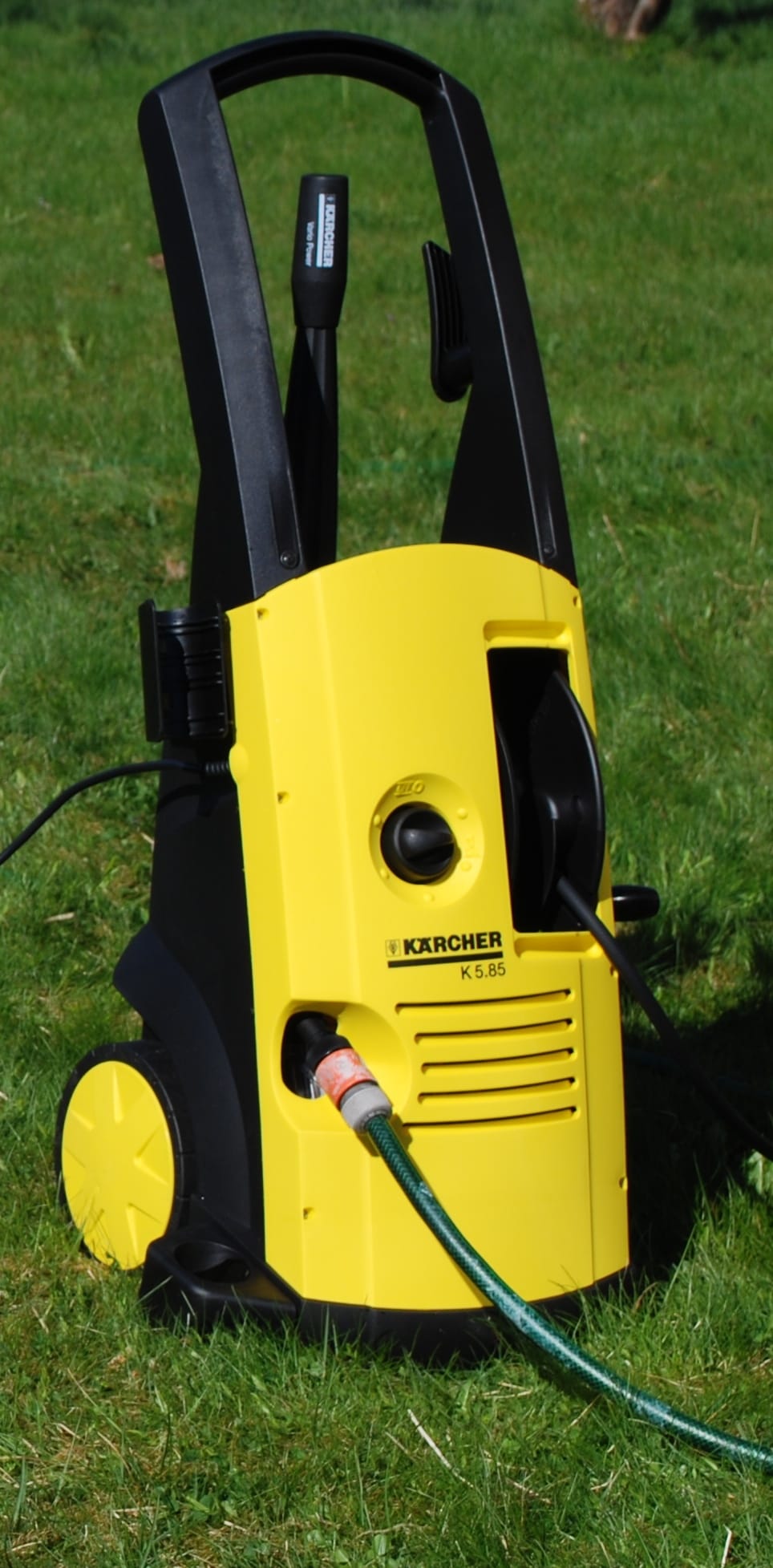
If you are looking for the best electric pressure washer, you probably want the same three things I do: enough power to make grime disappear, a setup that does not feel like wrestling an anaconda, and a price that does not make you question every life choice that led you to owning a deck.
Electric units are quieter than gas models, easier to store, and they do not require fuel, oil, or a small pep talk before every use. They also have limits: you are not stripping paint off a barn at 3,600 PSI, and that is fine. For most homeowners, an electric pressure washer is the sweet spot for driveways, patios, siding, outdoor furniture, and car washing.
Below are my favorite picks for 2026 - including a do-it-all workhorse, a more stowable runner-up, and a budget model that still actually cleans.
Our Top Picks
Ryobi RY142500 - Best for most homeowners
This is the pick for people who want one electric pressure washer that does everything reasonably well without being annoying to live with. The big things I care about here are stability (no tipping drama), hose management (no instant knots), and enough power to make a patio go from "mystery film" to "oh wow, it is actually that color."
The RY142500 is rated around 2,500 PSI, which is near the top end for plug-in electric models. That does not automatically mean it cleans twice as fast as a 2,000 PSI unit - flow rate matters too - but in practice, it feels confident on concrete, pavers, and mildew on outdoor furniture. It is also a great match for a 15-degree tip for general cleaning and a turbo nozzle when you want the satisfying "erase line" effect.
Downsides: It is not small, the detergent tank situation is clunkier than it should be, and the price is rarely "cheap."
People who will use their washer a few times a year and want the least frustrating ownership experience.
DeWalt DWPW2400 - Best for a similar feel with better accessories
If you want something very close to the Ryobi in power and overall design, this is the move. The DeWalt DWPW2400 sits in that same "serious homeowner" tier where you get sturdy construction, good stability, and a more premium feel than the bargain-bin models.
What I like most: it typically ships with a broader set of spray tips (including wider-angle nozzles that are handy for rinsing) and the details can feel a little more thought-through. If you have ever realized mid-job that you really want a 40-degree nozzle for gentle rinsing, you will appreciate that.
Downsides: It is often priced higher than the Ryobi, and storage can still take up real space in a garage.
Buyers who want a premium-feeling electric washer and care about having more nozzle options in the box.
Sun Joe SPX3000 - Best budget electric pressure washer
The Sun Joe SPX3000 is the classic recommendation when the question is "what is the cheapest electric pressure washer that still works?" It is not as convenient as the fancier units - the overall build is lighter, the hose and cord situation is more basic, and you give up some of the stability and polish.
But if you are doing the occasional spring cleanup (patio furniture, muddy steps, driveway edges) and you do not want to pay $300+ to do it, this is the practical answer. It can still blast off grime and mildew, and it is usually easier to store than the taller, cart-style models.
Downsides: Less refined hose/cord storage, smaller wheels, and it is easier to tip if you yank the hose aggressively.
People who only pressure wash once or twice a year and want the best bang-for-buck.
Ryobi RY1419MTVNM - Best portable electric pressure washer
If you live in a smaller place (or you just hate giving up storage space), a compact unit can be a lifesaver. The Ryobi RY1419MTVNM is a smaller, lighter washer that you can actually carry, which makes it easier to tuck onto a shelf. It is also a nice option if you plan to use it more for cars, bikes, and small patio jobs than for deep-cleaning a huge driveway.
You do lose cleaning speed because the power output is lower. That is not a dealbreaker - it just means you may need to work a little closer, move slower, and accept that heavy concrete stains are not a one-pass situation.
Downsides: Slower on big surfaces and not as durable-feeling as the big induction-motor models.
Apartment and townhome dwellers, or anyone who wants a washer they can store without rearranging the whole garage.
EGO Power+ HPW3200 - Best cordless pressure washer (splurge)
Yes, cordless pressure washers are still expensive, and yes, I am still weirdly tempted by them. The EGO HPW3200 is one of the most powerful battery models you can buy, and it is built for people who already live in a battery ecosystem (EGO in this case) and want a pressure washer that does not require an outlet nearby.
If you have an awkward yard setup, a long driveway, or you just hate managing extension cords, cordless can feel liberating. The tradeoff is runtime: pressure washing can drain batteries fast, and big projects might require swapping packs or taking breaks while charging.
Downsides: High price, battery costs add up, and it is still not a replacement for a true high-output gas unit.
People who want maximum convenience (no cord) and are okay paying for it.
Byteblip
New Products, Gift Guides, The Best Deals