Best Casserole Dishes (2026): 5 Picks From Budget Glass to Premium Stoneware
From a $10 Pyrex to premium Le Creuset stoneware, the best casserole dishes for lasagna, mac and cheese, and everything in between.
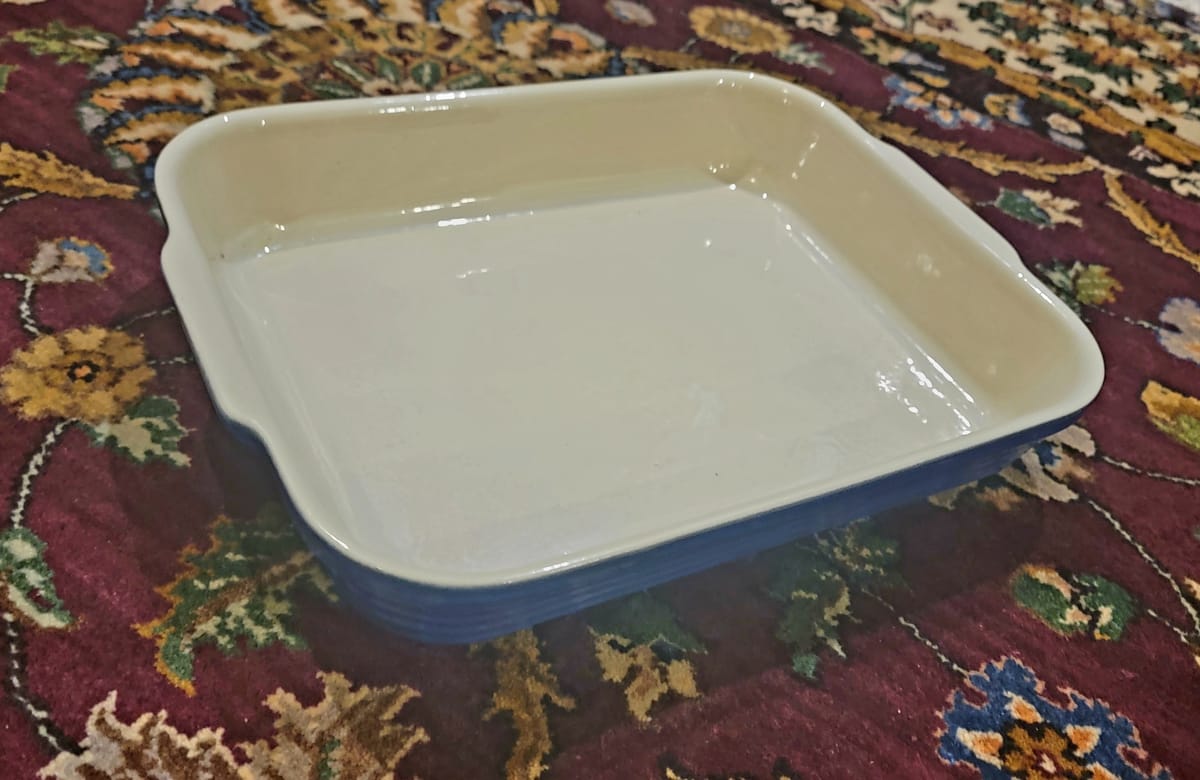
Looking for the best casserole dish in 2026? A good 13x9-inch baking dish is one of those kitchen essentials that does way more than its name suggests - lasagna, enchiladas, roasted vegetables, bread pudding, sheet cakes, even a weeknight one-pan chicken dinner. It's probably the most versatile piece of bakeware you'll own, and the difference between a cheap one and a well-made one shows up in how evenly your food cooks, how easy it is to clean, and whether it cracks after six months.
I pulled together testing data from Wirecutter (who've tested 15 casserole dishes since 2014), Food Network, The Kitchn, and Good Food to find the dishes worth buying. The short version: ceramic and glass both work well, but they have different strengths. Here are five picks from budget glass to premium stoneware.
Our Top Picks
Emile Henry Modern Classics Rectangular Baker - Best casserole dish overall
Wirecutter has recommended the Emile Henry Modern Classics Rectangular Baker as their top casserole dish since 2014, and after testing 15 dishes over the years, it keeps winning. The reason is a combination of generous capacity (5 quarts - the largest they tested), even heating, and a design that's equally at home for Tuesday night mac and cheese and Thanksgiving dinner.
The Emile Henry bakes beautifully. In Wirecutter's testing, it produced evenly browned bread pudding and perfectly layered lasagna without hot spots or scorching on the bottom edges. The Burgundy clay construction conducts heat gently and steadily - slower than metal, which is exactly what casseroles need to cook through without overcooking the outside layers. It's also broiler-safe, so you can blast a gratin with heat at the end for a golden crust.
The handles are large enough to grab securely with oven mitts, which sounds like a basic feature but several competing dishes failed this test in Wirecutter's evaluation. The 10-year warranty is reassuring for a dish you'll use weekly. It comes in four colors plus white, and the glazed ceramic cleans up easily - most baked-on residue releases with a short soak. If you're upgrading your kitchen setup, our induction cooktop guide covers the stovetop side of things.
Downsides: At $60-80, it's significantly pricier than glass alternatives. Weighs about 5.5 pounds empty, which gets heavy when full. The ceramic is durable but not indestructible - dropping it will crack it. Hand-washing is recommended for longevity, though it is technically dishwasher-safe. Limited to oven temperatures under 520F.
Anyone who wants the best all-around casserole dish that bakes evenly, holds a lot, and looks good enough for the table. The 5-quart capacity makes it the most versatile size for families and anyone who cooks casseroles, lasagnas, or baked pastas regularly.
Staub 13x9.5" Rectangular Baking Dish - Best premium casserole dish
The Kitchn's hands-on testing crowned the Staub Rectangular Baking Dish their best overall pick, noting that it heated "most evenly" among all dishes tested and produced the most uniformly browned results. Staub's ceramic has a matte finish that resists staining better than white-interior competitors, which is a genuine practical advantage if you cook with tomato sauce or turmeric regularly.
The design is unmistakably Staub - clean lines, wide ergonomic handles, and a visual presence that makes it a natural serving piece. Unlike the Emile Henry, Staub's ceramic has a slightly textured interior that improves food release without any non-stick coating. The Kitchn's tester specifically praised how evenly their mac and cheese browned from edge to center, which is the real test of heat distribution.
Staub also makes matching pieces (round and oval bakers, gratins) if you want a coordinated set for the table. The ceramic is oven-safe to 572F, which is higher than most competitors and gives you more flexibility for high-heat roasting. Build quality is excellent - the thick walls and heavy base feel premium and distribute heat with almost cast-iron-like consistency.
Downsides: The most expensive option on this list at $90-130. Heavy at about 6 pounds empty. The dark interior makes it harder to see browning at a glance compared to white-interior dishes. Staub's ceramic bakeware is made in China (unlike their French-made cast iron), which may matter to some buyers. Hand-wash recommended.
Home cooks who want the most even heating and best-looking premium casserole dish for both cooking and serving. If you entertain regularly and want bakeware that doubles as elegant tableware, Staub delivers.
Pyrex Basics 3-Quart Glass Baking Dish - Best budget casserole dish
Food Network named the Pyrex Basics 3-Quart Glass Baking Dish their best overall casserole dish, calling it "sturdy and durable, but not heavy" and praising the fact that it's freezer-, microwave-, oven-, and dishwasher-safe. At $10-15, it costs less than a single dinner out and will probably outlast most of the appliances in your kitchen.
The transparent glass lets you see exactly what's happening on the bottom and sides of your casserole - no guessing whether the cheese is browning or the bottom layer is burning. Food Network's tester noted the 3-inch depth provides enough room to stack ingredients generously without overflow. It bakes evenly, cleans up easily (glass is inherently non-reactive and non-staining), and the clear material means you can use it to identify leftovers in the fridge without opening the lid.
Pyrex has been making glass bakeware since 1915, and there's a reason it's still in nearly every American kitchen. The tempered soda-lime glass is reasonably durable for normal use, and the simple design has no gimmicks to break or wear out. It comes in four fun colors if you want something beyond basic clear. For under $15, there's no lower-risk way to add a casserole dish to your kitchen.
Downsides: Tempered glass (not borosilicate) is susceptible to thermal shock - avoid transferring it directly from freezer to hot oven. The handles are on the small side according to Wirecutter's testing, making it harder to grip with thick oven mitts. Glass doesn't retain heat as well as ceramic, so food cools faster at the table. Residue can bake into the corners over time.
Budget shoppers, first apartments, college students, and anyone who wants a reliable casserole dish without overthinking it. The best value on this list by a wide margin - at $10-15, just buy it.
OXO Good Grips 3-Qt Glass Baking Dish with Lid - Best glass casserole with lid
Wirecutter's budget pick is the OXO Good Grips 3-Qt Glass Baking Dish with Lid, and it has one critical advantage over the Pyrex: it's made from borosilicate glass rather than tempered soda-lime glass. That means significantly better thermal shock resistance - you can move it from fridge to oven with less risk of cracking. If you regularly prep casseroles ahead and refrigerate them before baking, this difference matters.
The included glass lid is a genuine bonus that most casserole dishes don't offer. It turns the dish into a sealed container for refrigerator storage, transport to potlucks, and covered baking when you want to trap moisture (useful for enchiladas, baked rice dishes, and anything that benefits from steaming in its own juices). The OXO's handles are larger than the Pyrex's, which Wirecutter specifically called out as easier to grip with oven mitts.
The baking performance is on par with the Pyrex - glass conducts heat a bit unevenly compared to ceramic, but the difference is minor for most recipes. At $20-25, the OXO costs a bit more than the Pyrex but delivers a meaningfully better product with the borosilicate construction and included lid.
Downsides: Still glass, so it won't retain heat at the table as well as ceramic. The utilitarian look is functional but not something you'd want as a centerpiece at a dinner party. The lid is glass (heavy) rather than plastic (light), which adds to the overall weight. Smaller capacity than the Emile Henry or Staub.
Meal preppers, potluck contributors, and anyone who wants a casserole dish that doubles as a storage container. The borosilicate glass and included lid make it the most practical glass option for people who cook ahead and refrigerate before baking.
Le Creuset Heritage Rectangular Casserole - Best casserole dish for entertaining
Food Network selected the Le Creuset Heritage Rectangular Casserole as their best covered casserole dish, and it's the option I'd point anyone toward who wants bakeware that performs beautifully and looks stunning on the table. Le Creuset's enameled stoneware comes in over a dozen colors - from classic Cerise red to seasonal limited editions - and the quality is unmistakably premium.
The included stoneware lid is the standout feature. It traps moisture during baking for more tender casseroles and doubles as storage cover for refrigerating leftovers. The enamel-coated interior resists staining and is easy to clean, and the thick stoneware walls distribute heat evenly with excellent heat retention - your casserole stays hot at the table far longer than in a glass dish. Le Creuset's exterior enamel is nearly chip-proof and maintains its color through years of use.
Le Creuset's lifetime warranty on stoneware covers manufacturing defects, and their customer service reputation is excellent. If you're building out a matching kitchen collection or want a covered casserole dish that will be passed down, Le Creuset is the heritage brand for a reason. If you're also outfitting your kitchen, our electric kettle picks complete the countertop essentials.
Downsides: Expensive at $80-120. Heavy - the dish plus lid is substantial. Not dishwasher-recommended despite being technically safe. The stoneware can crack if exposed to sudden temperature changes. Color options mean decision paralysis. Some users find the Heritage line's straight sides less ergonomic for scooping than curved alternatives.
Entertainers, gift-givers, and Le Creuset collectors who want a beautiful covered casserole dish for both cooking and serving. The included lid and iconic design make it a kitchen statement piece that happens to bake exceptionally well.
Byteblip
New Products, Gift Guides, The Best Deals