
Best Air Purifiers for Wildfire Smoke (2026 Picks)
Smoke season survival guide: top HEPA picks, CADR sizing, and how to set up a clean room fast.
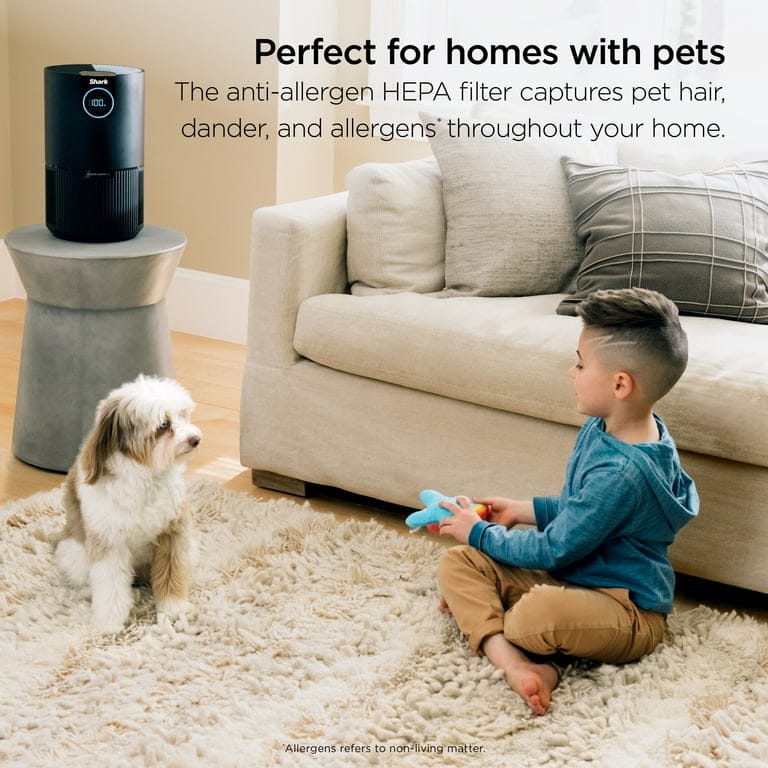
If you have ever opened your door during a bad fire season and thought, "Cool, the outside air tastes like a campfire and regret," you are not alone. The best air purifier for wildfire smoke is basically a fast, quiet fan strapped to a serious HEPA filter - and it can make a shockingly big difference in how your home feels (and how your lungs feel) when the AQI goes off the rails. I have tested, bought, returned, and rage-read way too many purifier specs, so this guide is the cheat sheet I wish I had the first time the sky turned orange.
Quick reality check: a purifier helps a ton with particles (PM2.5), but it is not a magic shield for everything smoky. The goal is to build one clean room, keep doors and windows closed, and run a properly sized unit hard when the smoke is bad - then dial it down to a tolerable everyday setting.
Our Top Picks
Coway AP-1512HH Mighty
Typical price: ~$200 +/- (often on sale)
Downsides: The design is a little "office printer chic," and the carbon filter is more "helps a bit" than "kills all odors."
BEST FOR
Most people who want a proven, no-drama HEPA purifier for bedrooms, offices, and medium rooms - including wildfire smoke season.
This is the purifier I recommend when a friend texts me, "The air is crunchy, what do I buy?" It is Wirecutter's long-running top pick, and for good reason: it clears particles fast, it is easy to live with, and replacement filters are widely available. Wirecutter has repeatedly tested it with smoke and calls out that HEPA purifiers are extremely efficient at removing smoke particles from the air.
Blueair Blue Pure 211i Max
Typical price: ~$300 +/-
Downsides: It takes up floor space, and it is not the cheapest way to cover a truly huge open-concept area.
BEST FOR
Big living rooms, open layouts, and "my house is basically one giant room" situations.
If you are trying to clean a larger space, you need either (1) a bigger purifier or (2) multiple smaller ones. The 211i Max is Wirecutter's current large-room pick, and it is a solid choice if you want one unit that can move a lot of air. I like this style of pick for wildfire smoke because you can run it higher for the worst days, then drop it to a quieter setting once the room is under control.
Blueair Blue Pure 511
Typical price: ~$100 +/-
Downsides: It is for small spaces - do not expect it to rescue a whole apartment.
BEST FOR
Dorm rooms, nurseries, and small bedrooms where you want quiet, steady filtration.
When your room is small, a compact purifier can actually be the smartest move: cheaper upfront, cheaper filters, less "wind tunnel" noise. Wirecutter's small-room pick is the Blue Pure 511, and it is a nice fit for tight spaces where you still want a real HEPA setup.
Levoit Core 600S (large rooms on a budget)
Typical price: ~$300 +/-
Downsides: Wirecutter notes it can develop a consistent rattle on higher speeds - and you may need those higher speeds during bad smoke days.
BEST FOR
People who want a strong CADR for the money and like app controls, schedules, and automation.
This one shows up a lot in "best air purifier for wildfire smoke" searches because it is aggressively priced for the airflow you get. If you want smart features, it is a nice quality-of-life upgrade: set it to turbo while you are out, then have it calm down before bedtime.
Winix 5500-2 (best value pick)
Typical price: ~$200 +/-
Downsides: Ionizers are controversial; I recommend turning that feature off if you do not specifically want it.
BEST FOR
Shoppers who want a capable HEPA purifier with a serious activated carbon layer for smells.
The Winix 5500-2 is the "I want a good purifier but I also want to feel like I got a deal" pick. It has a True HEPA filter plus a thicker carbon stage than many similarly priced models, which can help a bit with smoke smell (again: particles are the main win, not gases). For wildfire season, it is a strong practical choice.
Byteblip
New Products, Gift Guides, The Best Deals